




Japanese Construction 2026: Digitization, Decarbonization, and Resilience Are Changing the Industry. Czech Companies Bring Solutions to the Table
19.03.2026 / 05:31 | Aktualizováno: 19.03.2026 / 07:22
Japan’s construction industry has entered a pivotal stage of modernization in which demographic pressures, digitization, and the green transition converge with the need to systematically renew aging infrastructure and increase resilience to natural disasters. Czech companies bring tangible solutions to the table.
According to current market estimates, the sector’s value in 2025–2026 ranges at approximately USD 528–554 billion, with medium‑term projections pointing to growth toward USD 640–709 billion by 2031, backed by stable public investment and the launch of large development projects. In the short term, demand is further supported by fiscal stimuli and supplementary budgets, including funds for post‑disaster recovery and regional revitalization.
The structural reality is unforgiving: most highway sections, bridges, tunnels, dams, waterworks, and quay walls were built in the 1960s and 1970s—and today there are more than 730,000 bridges, 11,000 tunnels, and thousands of other structures over 50 years old, driving a long‑term wave of diagnostics, maintenance, and renewal. At the same time, the labor shortage is deepening: government and banking analyses describe the tight labor market as a “persistent” phenomenon that pushes wages up and reduces the industry’s ability to deliver projects without the extensive deployment of automation and digital tools.
Demand: Less New Housing, More Renovations and Civil Engineering
Residential construction has been weakening for a long time—in 2024 the number of newly started dwellings fell below 800,000, while monthly data in 2025 and 2026 show volatility and year‑on‑year declines at the beginning of 2026. Renovations, by contrast, are breaking records: in 2024 orders for reconstruction and renewal reached nearly USD 87 billion (a year‑on‑year increase of 4.2%), with non‑residential buildings being the main driver. A pickup is also expected in civil engineering and non‑residential construction, currently driven by recovery after the Noto Peninsula earthquake, strengthened public budgets, and growing energy security.
Regulation and the “Green” Turn: From Mandatory Energy Performance to Life‑Cycle Carbon Accounting
Since April 2025, a tightened version of the Building Standards Act has been in force, extending the obligation to meet minimum energy‑performance standards to all new buildings and gradually aiming for new buildings to meet Zero Energy House / Zero Energy Building (ZEH/ZEB) parameters by 2050. The government is also preparing a measure for 2026 that should be a game‑changer for the market: mandatory calculation of a building’s carbon footprint across its entire life cycle—Life Cycle Assessment (LCA)—for larger new buildings, covering everything from material production through construction and operation to demolition and waste handling. The push for decarbonization also affects building materials and methods—from low‑carbon cements and steel to recycling and ZEH/ZEB standards adopted by major contractors, who show that it is possible to go beyond the regulatory minimum both technologically and operationally.
Digitization and Automation: From Paper to 3D/4D and Into the Machine
The ambition to boost on‑site productivity is embodied in the government’s i‑Construction program (the national program to digitize construction), which introduces 3D/4D data continuity from survey through design and construction to inspection and maintenance, with the goal of increasing construction productivity by 20%. At the same time, integrated platforms and services are spreading on the market, connecting drone mapping, 3D machine guidance, cloud‑based site management, and remote machine control—tools that should, in practice, reduce costs and construction time thanks to more accurate data, automation, and greater precision in excavation and compaction. The shift from 2D drawings to Building Information Modeling (BIM) / Construction Information Modeling (CIM) is becoming a requirement for many clients, especially in public works.
Resilience and Seismicity: Three Generations of Codes and a Lasting Wave of Retrofits
Based on lessons from major earthquakes, Japanese standards define three generations of buildings: pre‑1981 (higher risk of collapse), 1981–2000 (significant improvement), and post‑2000 (strengthened requirements for timber structures, foundations, and connectors). The older building stock and water infrastructure therefore require extensive diagnostics, strengthening, and continuous monitoring, and as local infrastructure owners become more open to Digital Transformation (DX), this creates room for new inspection methods—from drones and artificial intelligence to Real Time Kinematic (RTK) positioning.
Offshore Wind and Ports: Logistics for 15–20 MW Turbines
In offshore energy, the government now works with a standard project scale of 1 GW using 15–20 MW turbines, which places extraordinary demands on port laydown areas, load‑bearing capacities, and assembly logistics. This strengthens demand for simulation tools and robust Engineering, Procurement and Construction (EPC) solutions—from designing port‑area layouts and planning sailing/towing windows to risk management on site.
What This Means for Czech Companies
Japanese public tenders are gradually requiring data continuity from design documentation through to operation and maintenance—an opportunity for tools enabling BIM/CIM interoperability, model quality control, common data environments, and digital twins of bridges, tunnels, or water assets, including sensor integration and predictive models.
A combination of drones (rapid volumetrics and planning), 3D machine guidance, and remote fleet management helps address labor shortages and makes execution more precise. Czech companies can therefore supply specialized software modules or robotic solutions for repetitive tasks (e.g., rebar tying, sprayed materials, or autonomous inspection).
The expected mandatory life‑cycle assessment will create new budget lines for software, data libraries, and verified Environmental Product Declarations (EPDs), as well as for low‑carbon materials (cement, steel, timber, recycled content). Pilot projects in ZEH/ZEB are also expanding in administrative and public buildings. This may open space for Czech technologies in HVAC (heating, ventilation, and air‑conditioning) control, heat recovery, and shading.
The need for seismically resilient solutions and monitoring, in turn, means demand for dampers, isolators, FRP reinforcements, prefabricated connections for timber buildings, and cloud dashboards for risk management and predictive maintenance.
Given the need to scale up port infrastructure for 15–20 MW machines, Czech companies can also offer solutions for simulations, planning of towing/sailing windows, HSE (health, safety, and environment) systems, and specialized services in EPC.
What Works in Japan?
Partnerships with large general contractors (“sōgō kensetsu”) and technology integrators work well; they expect rapid proof‑of‑concept (PoC) projects with clear metrics for time, cost, and safety savings—ideally with a localized Japanese interface and integration into existing platforms (e.g., Smart Construction).
Consultative selling can also be effective, especially with municipalities that are currently revising construction methodologies and opening tenders to DX technologies (drones, AI‑based defect detection, real‑time kinematic surveying). Because a large share of the market still relies on conventional approaches, there is room to identify solutions that demonstrably save labor hours and cut inspection costs.
Finally, it pays to map compliance: for digital solutions against i‑Construction/BIM/CIM methodologies, for “green” technologies against ZEH/ZEB requirements, and for materials against LCA standards and related audit procedures. Keep in mind that Japan is a long‑distance market that rewards consistency, local presence, and patience in building trust.
Coral Construction Technologies – A Czech Company Leading by Example
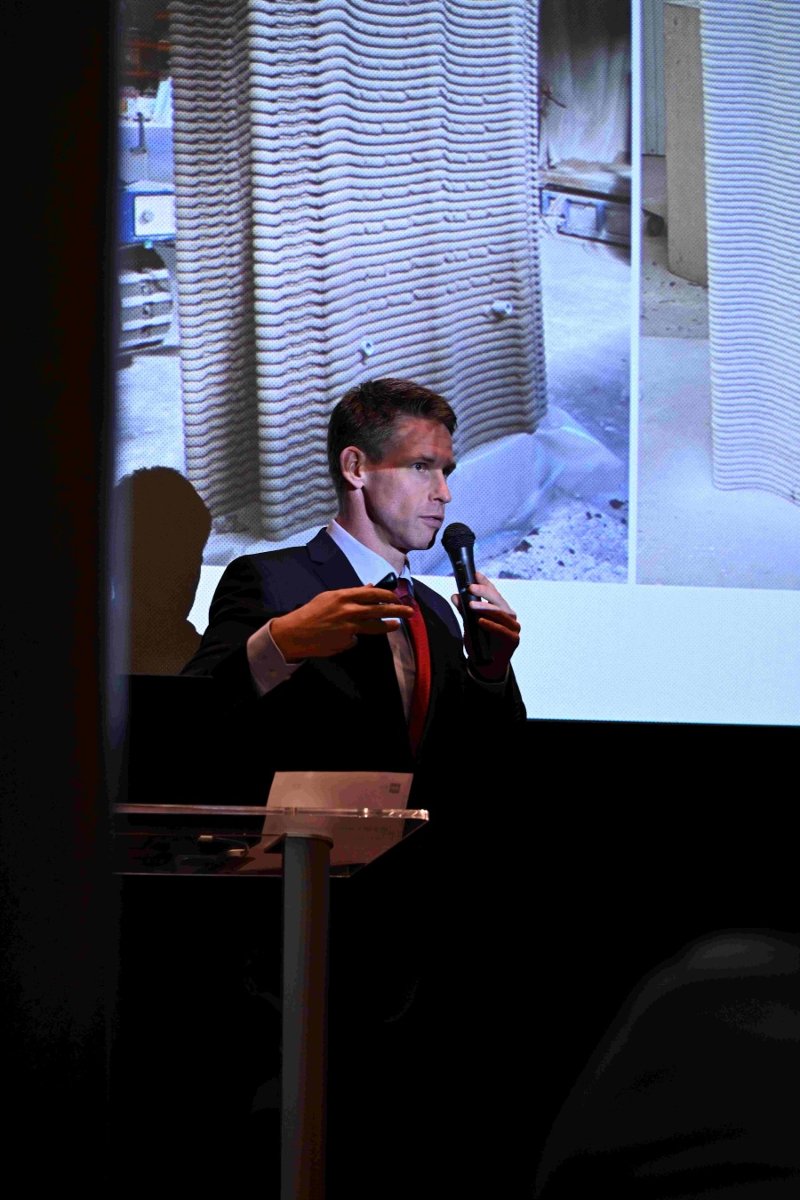
In the context of seemingly theoretical opportunities, it is important for Czech exports that there are companies whose pioneering approach can inspire others interested in the Japanese market. One such example is the Czech firm Coral Construction Technologies and its parent Purposia Group, which identified a window of opportunity during a transformative period for Japanese construction. Their 3D concrete‑printing technology responds in a timely way to structural challenges in the sector as well as to trends stemming from both the digital and green transitions.
The push to enter Japan has been supported by a well‑thought‑out strategy launched in the role of an official partner of Expo 2025 Osaka, where the technology attracted initial interest from private‑sector partners.
At the beginning of 2026, Coral and Purposia Group focused on approaching specific construction and technology companies, gaining a detailed understanding of the needs of the Japanese construction market, and gauging potential partners’ reactions to the proposed solutions.
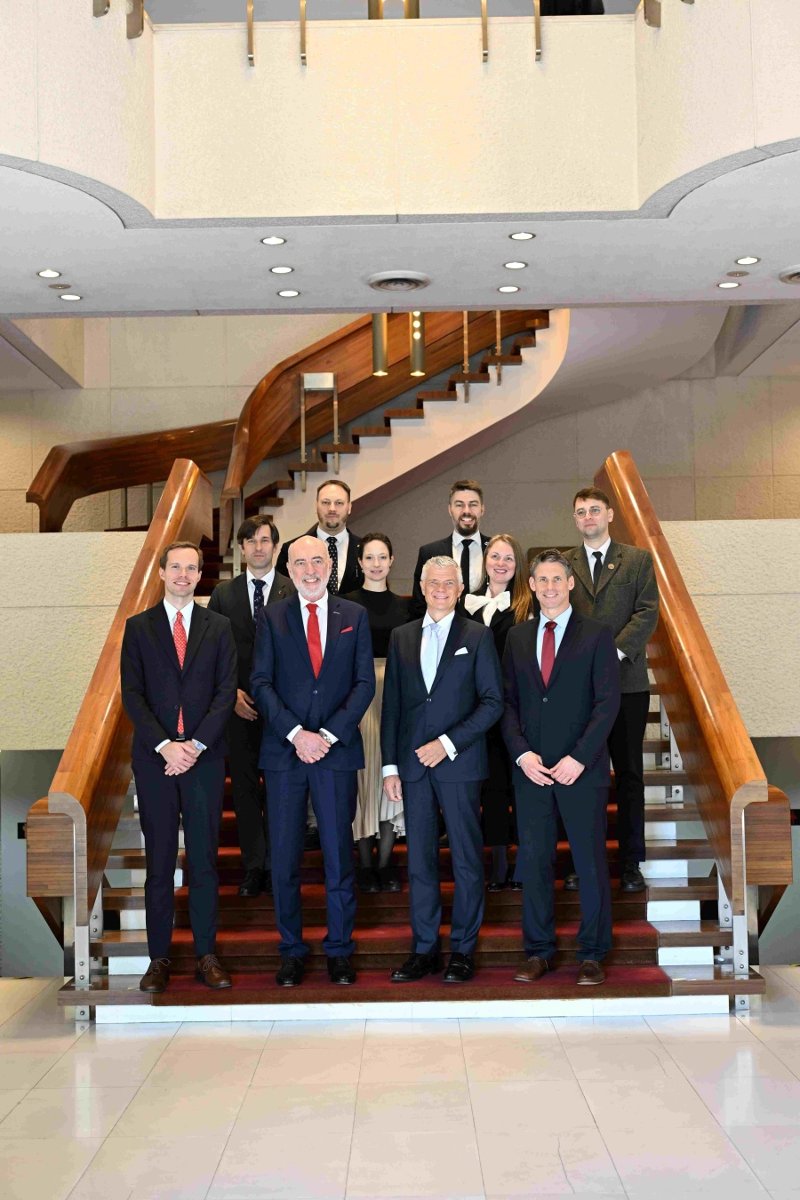
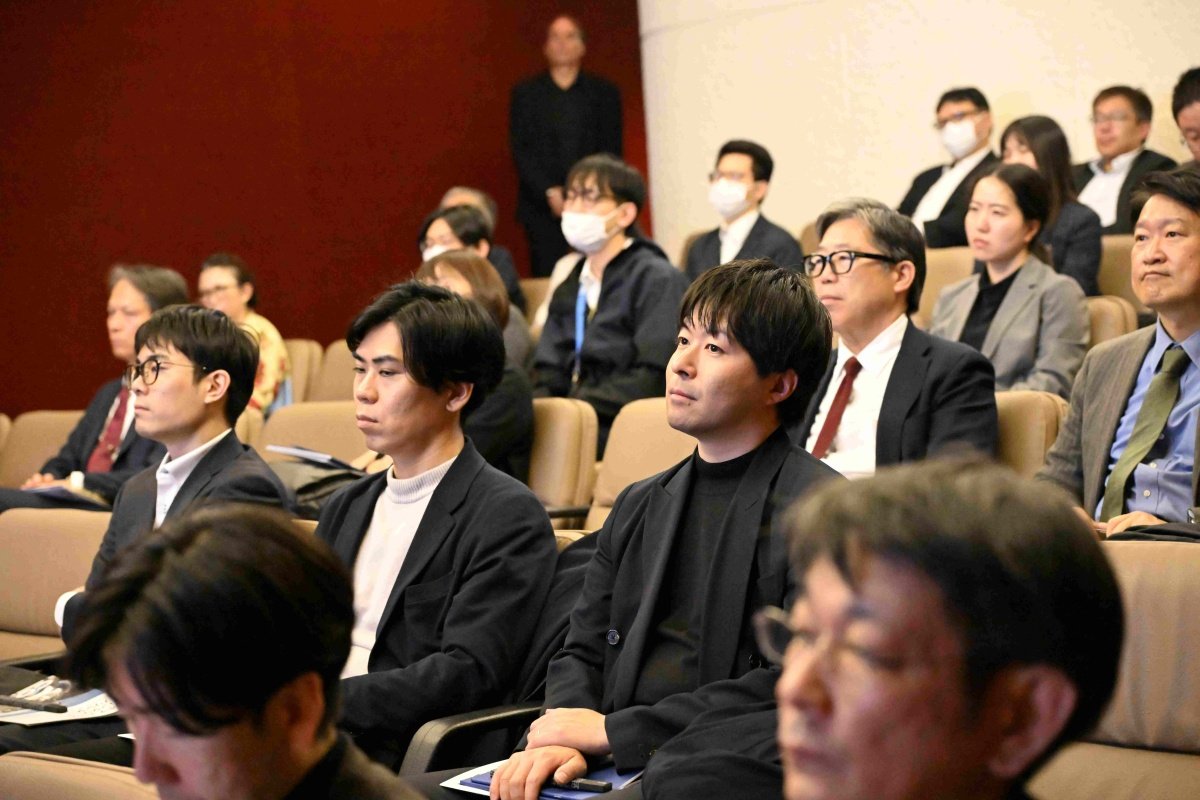
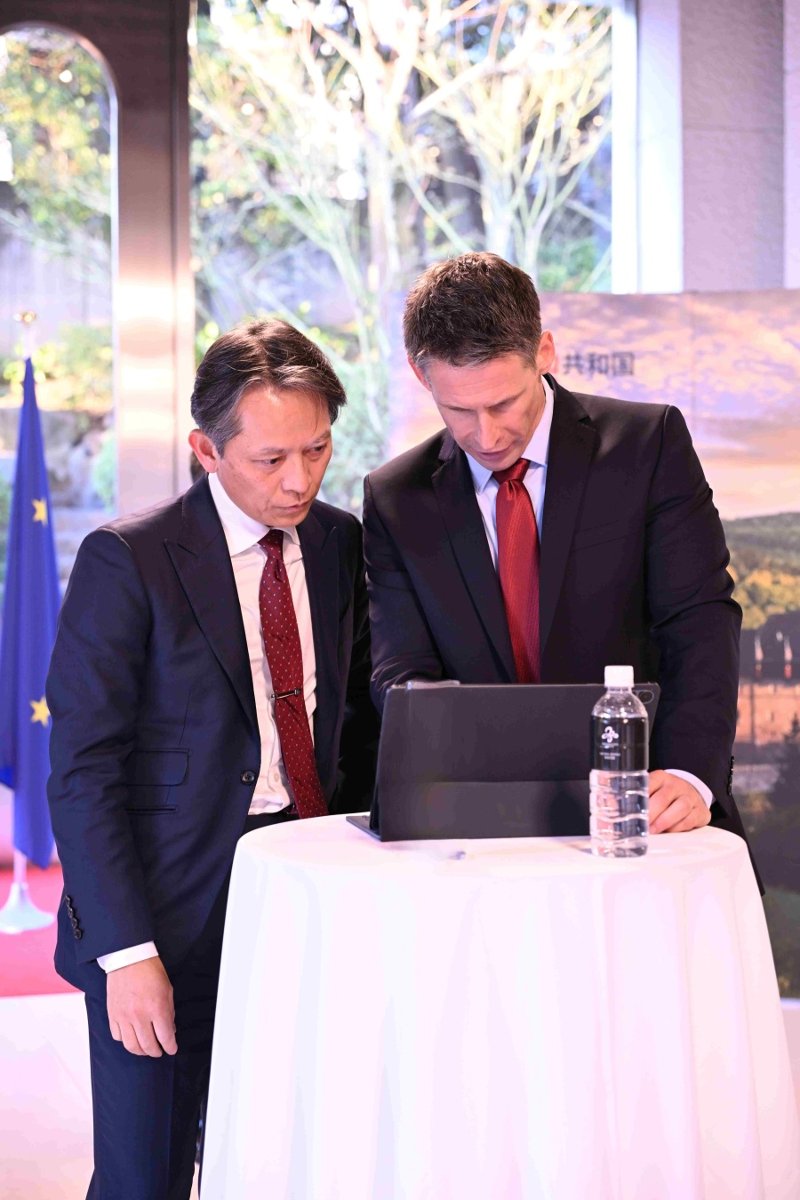
Accordingly, in early March 2026 the companies organized professional conferences in Osaka and Tokyo in cooperation with CzechTrade and the Embassy of the Czech Republic in Japan, attended by representatives of more than sixty construction companies, technology firms, and municipal governments.
Not only the attendance itself, but also the follow‑up discussions and business negotiations clearly showed that there is strong interest among Japanese firms in 3D concrete printing. The efforts of Coral and Purposia Group therefore confirm that with the right technology addressing Japan’s needs—combined with a sound strategy, patience, and hard work—it makes absolute sense to pursue this market that might at first seem distant.
Galleries
Odborná konference Purposia Group v Tokiu