


Expert Mission to Iceland Explored Solutions for Geothermal Energy Use and Decarbonisation in the Czech Republic
30.09.2026 / 13:50 | Aktualizováno: 30.09.2026 / 15:37
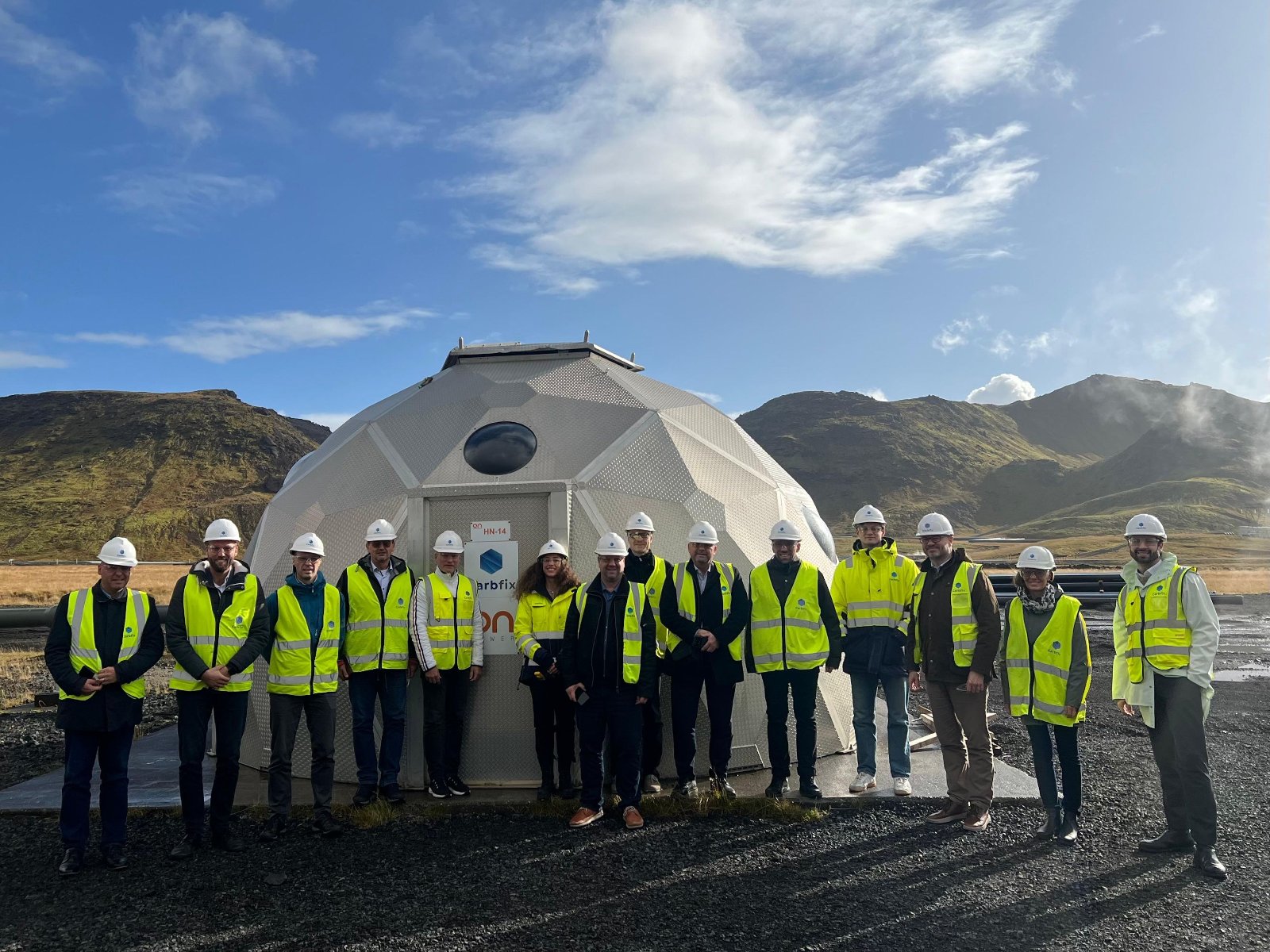
Practical experience with geothermal energy and carbon capture and storage technologies was the main focus of a September working visit by Czech representatives to Iceland. The delegation, led by Deputy Minister of the Environment Ivo Marcin, brought together experts from the Ministry of the Environment, the State Environmental Fund of the Czech Republic, the Czech Geological Survey, the Association of the Chemical Industry of the Czech Republic, the CO₂ Czech Solution Group, and Veolia with leading Icelandic institutions and companies.
As Deputy Minister of the Environment Ivo Marcin stated:
"For the Czech Republic, it is essential to reduce emissions in a way that does not undermine the economic performance of industry. This is why we are interested in Iceland’s experience with CCS technologies and other innovative solutions that combine climate goals with industrial development."
Ambassador David Červenka added:
"Iceland is among the world's leading countries in geothermal energy and carbon capture and storage. Its experience is highly valuable for the Czech Republic as we seek pathways to decarbonise industry while maintaining its competitiveness."
During meetings at Iceland’s Ministry for the Environment, Energy and Climate and the Environment and Energy Agency, Czech representatives discussed legislation, safety considerations and the economic viability of carbon storage with Minister Jóhann Páll Jóhannsson and other experts. Carbon capture and storage technologies can play an important role, particularly in sectors such as cement production, the chemical industry and metallurgy. Icelandic counterparts presented their model of energy transition and current trends in geothermal energy utilisation.
Iceland generates virtually 100% of its electricity from renewable energy sources and exports related solutions worldwide. More than 90% of Icelandic households are heated with geothermal energy, generating annual savings equivalent to approximately 2.5% of GDP. The country's main challenge remains the decarbonisation of transport and heavy industry.
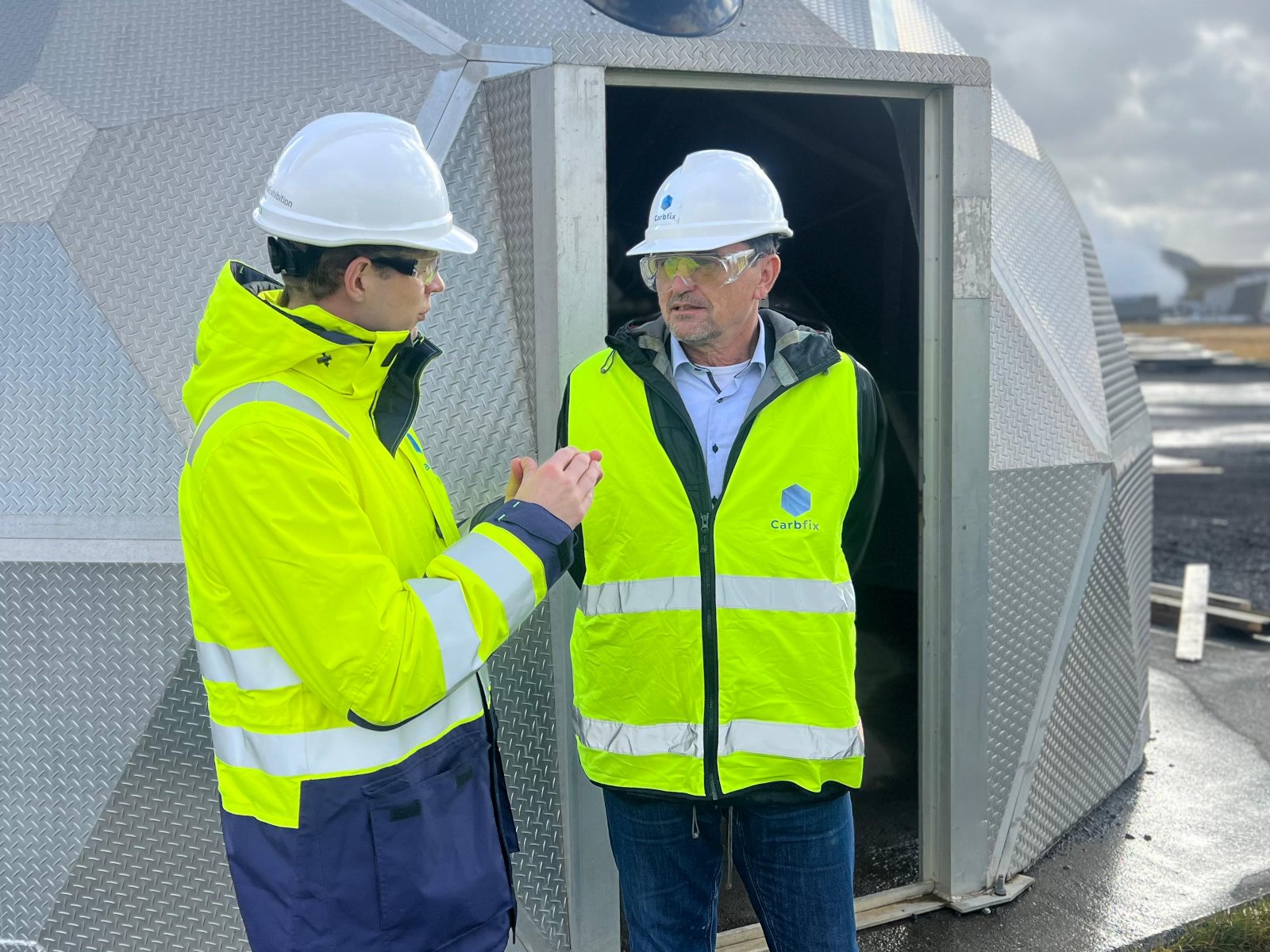
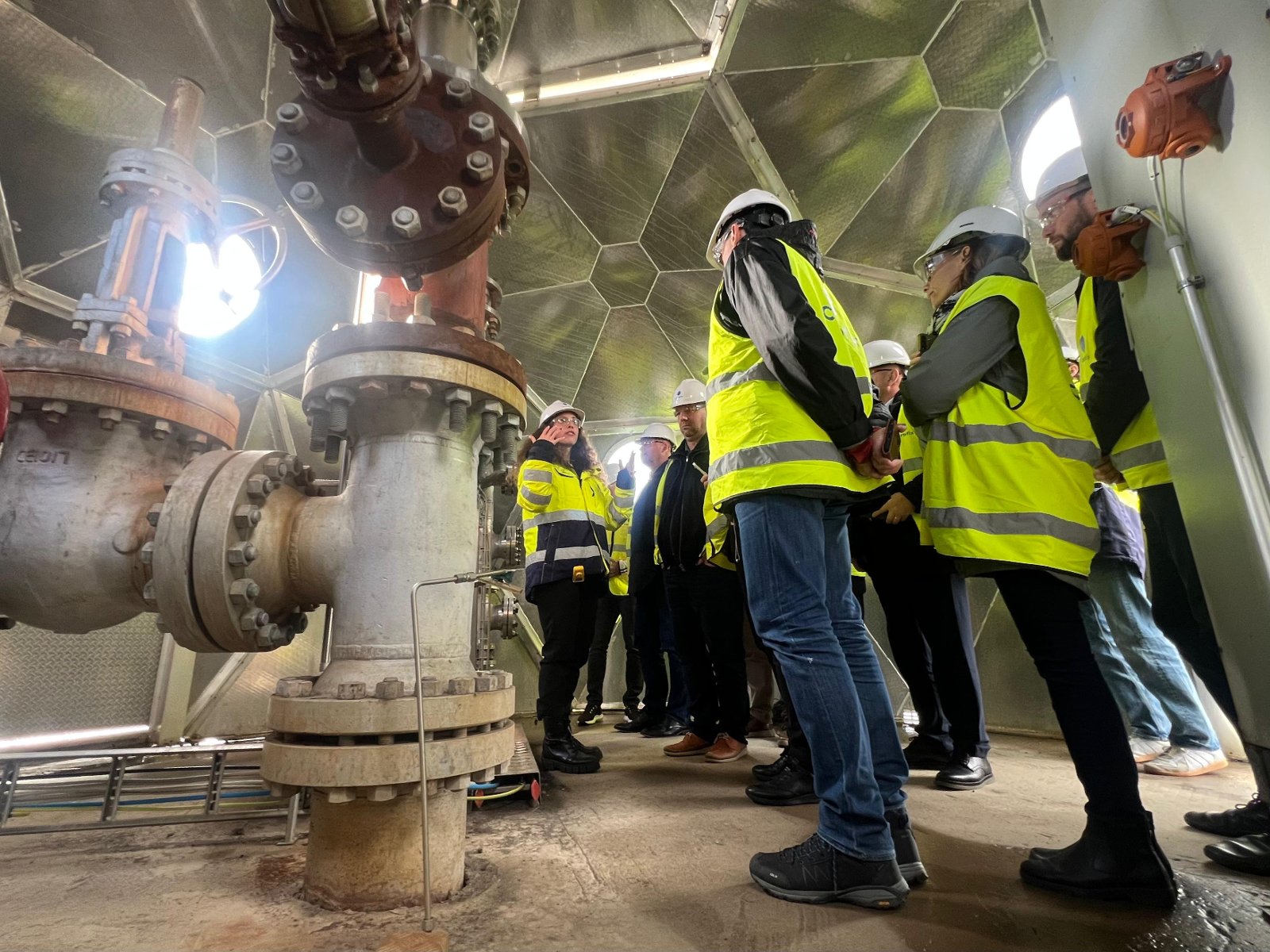
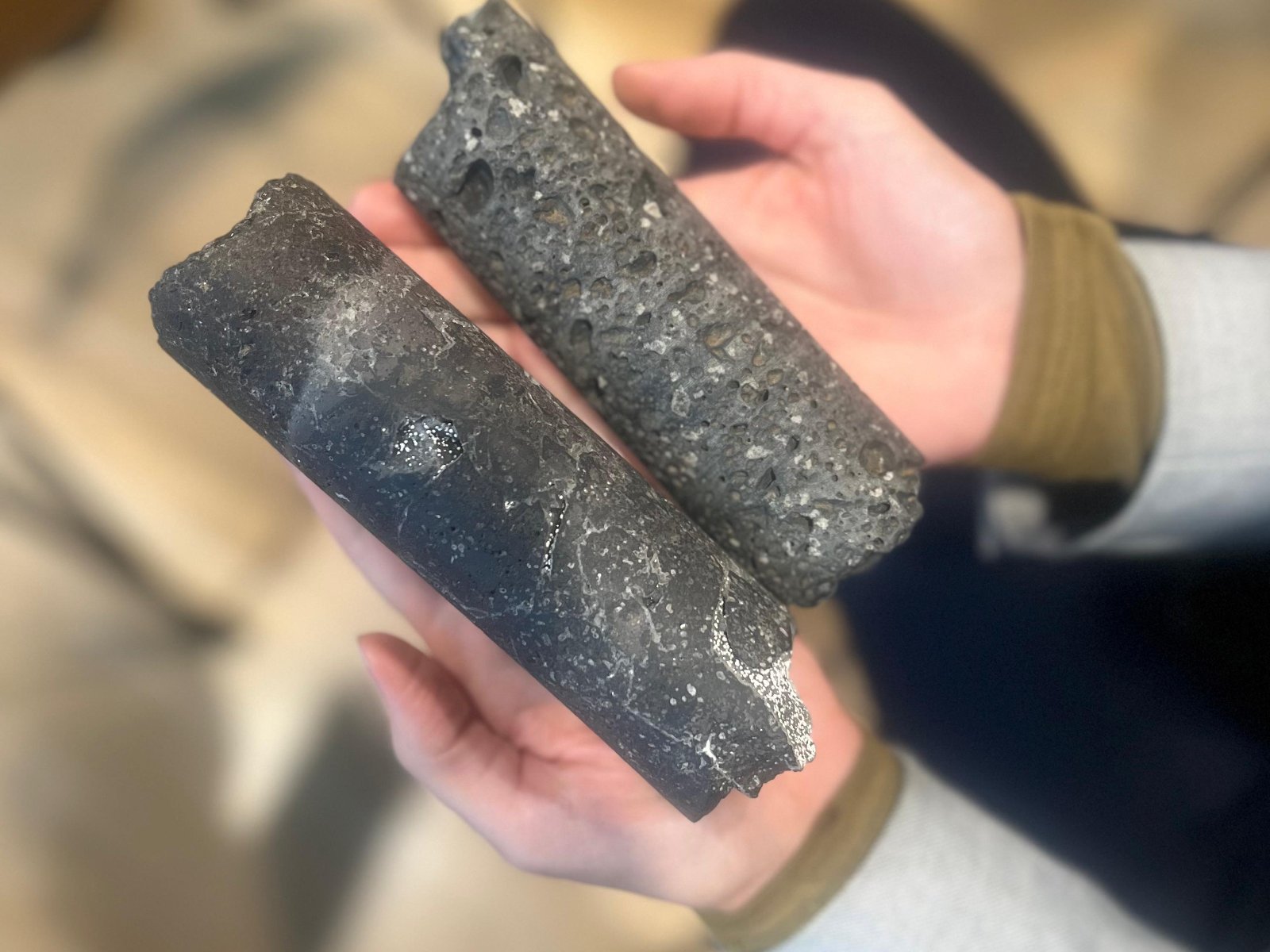
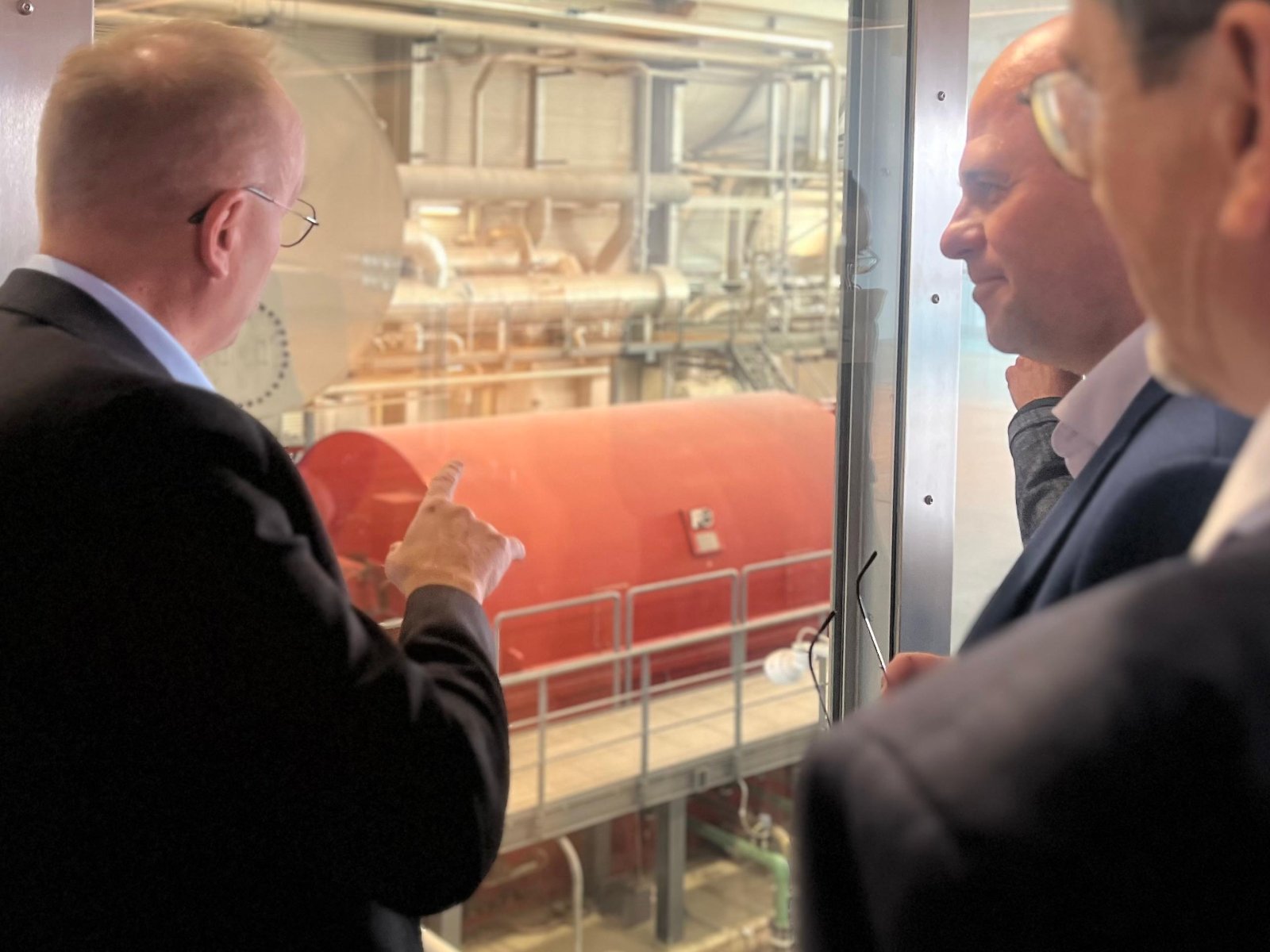
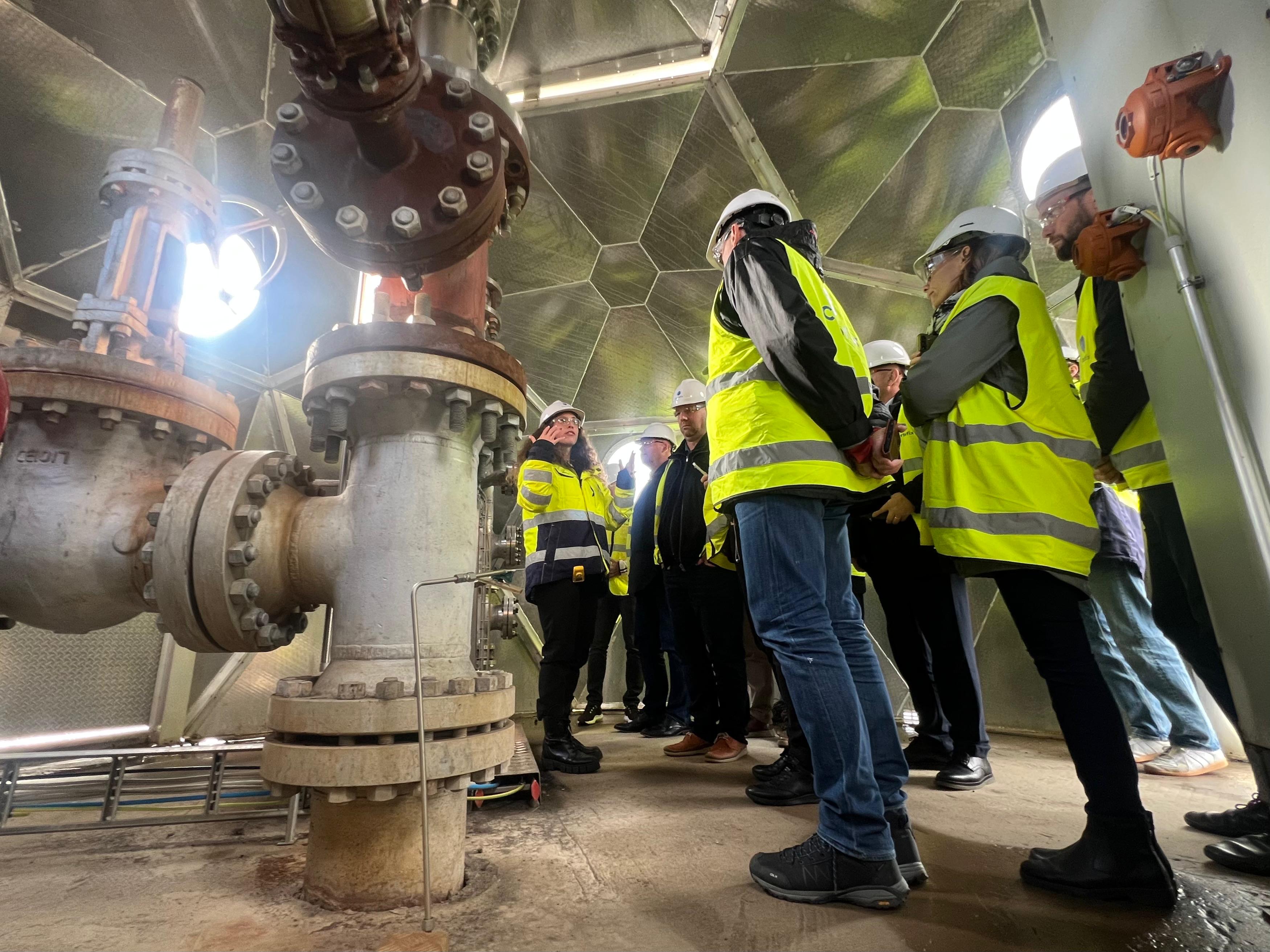
The programme also included meetings and site visits at key Icelandic companies. At the Reykjanes Power Plant, HS Orka, Iceland’s largest privately owned energy company, showcased its Resource Park, where surplus energy and carbon dioxide are utilised as inputs for other businesses. At the Hellisheiði Geothermal Power Plant, the delegation met with representatives of ON Power, one of Iceland’s leading energy producers, and its subsidiary Carbfix, which operates a world-unique technology that dissolves carbon dioxide in water and injects it into basalt bedrock, where it naturally mineralises within approximately two years.
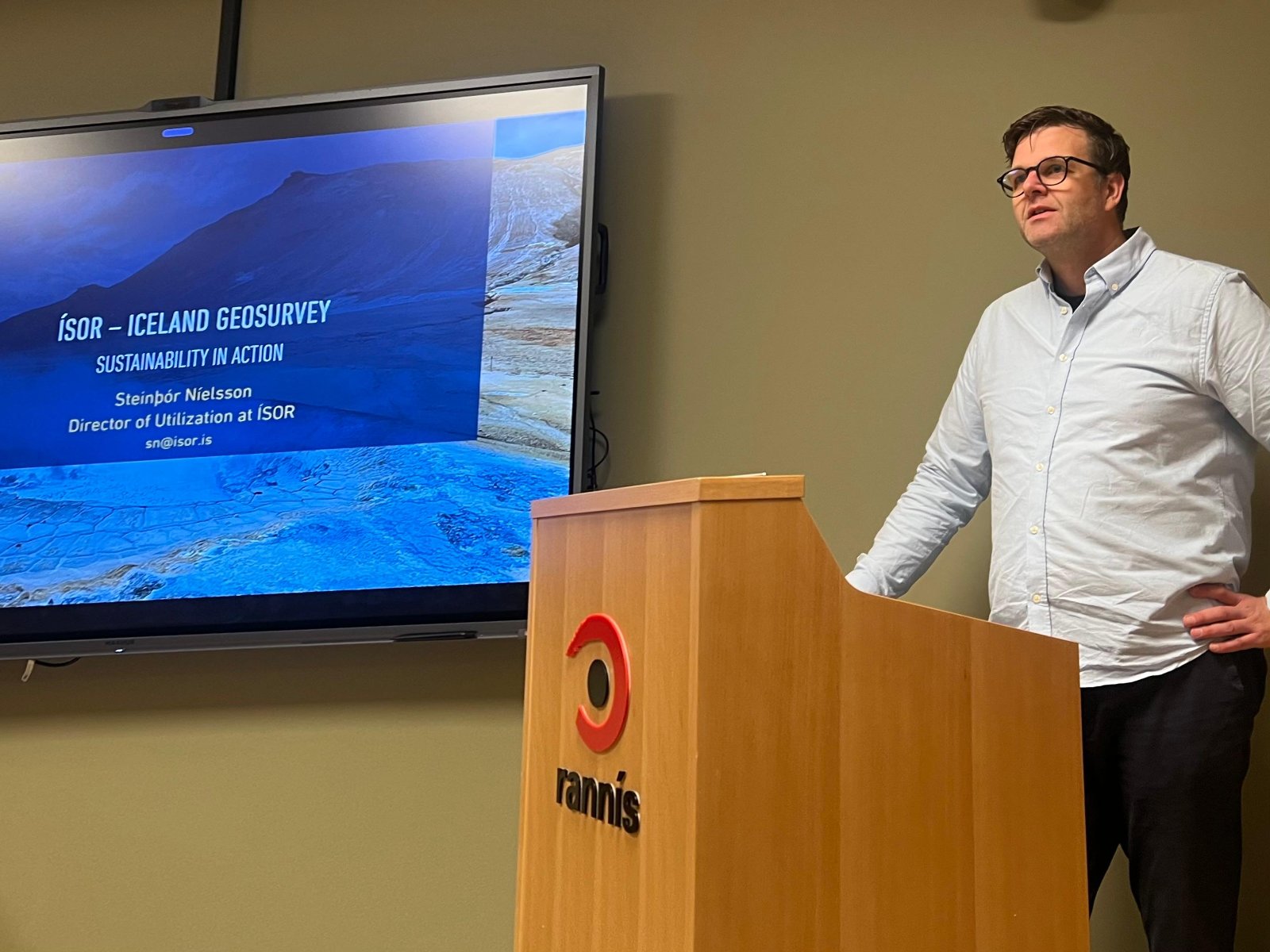
The mission also provided opportunities for business discussions with leading consulting companies in the geothermal sector, including Verkís and Vatnaskil, as well as with the state geological service ÍSOR and the The Icelandic Centre for Research Rannís.
As Deputy Minister Ivo Marcin concluded:
"In addition to exchanging experience, we see significant potential for cooperation between Czech and Icelandic companies. We believe that the contacts established during this mission will contribute to the development of joint projects in geothermal energy, carbon capture and storage, and other clean technologies."
As a result, the mission strengthened opportunities for both research and commercial cooperation within European programmes and the EEA and Norway Grants framework.
As part of the accompanying programme, members of the delegation also met with the Honorary Consul of the Czech Republic in Iceland, Ögmundur Skarphéðinsson, to discuss opportunities for further Czech-Icelandic cooperation, particularly in the fields of energy, environmental protection and innovation.
The inspirational mission focused on Czech-Icelandic cooperation in geothermal energy and carbon capture and storage was made possible thanks to support from the Ministry of the Environment under the Ministry of Foreign Affairs' economic diplomacy support programme (PROPED). The expert preparation of the mission was carried out in cooperation with the Ministry of the Environment of the Czech Republic.
Galleries
Expert Mission to Iceland Explored Solutions for Geothermal Energy Use and Decarbonisation in the Czech Republic