




NATO Contact Point Embassy Event: "Online Radicalization and the Resurgence of Terrorism"
18.06.2026 / 08:35 | Aktualizováno: 23.06.2026 / 08:14
Terrorism is the most direct asymmetric threat to the security of citizens and to international peace and prosperity. Countering terrorism is essential for collective defence and contributes to NATO´s three core tasks - deterrence and defence, crisis prevention and cooperative security. Global efforts to fight terrorism require practical cooperation with partner countries.
From integration of intelligence into almost every aspect of counterterrorism to protecting airports, transportation systems, shopping areas, and public events, Israel places significant emphasis on emergency preparedness and continuity during attacks. Maj. Gen. (ret) Itay Medina, Head of the Security Policy Institute at Israel’s Defense and Security Forum, Lt. Col. (Res.) Dr. Uri Ben Yaakov, Alexander Pack and Daniel Haberfeld from the International Institute for Counter-Terrorism, Dr. Yagil Henkin, Lecturer at the IDF Command and Staff College, and Netta Marrom, CEO of Next-Dim discussed useful lessons that NATO can learn from Israel's decades-long experience combating terrorism.
It was also emphasized that Artificial Intelligence acts as a powerful amplifier for existing terrorist activities, accelerating radicalization and lowering barriers to entry for extremists. Rather than completely revolutionizing operations, groups leverage generative AI, deepfakes, and automated bots to rapidly create hyper-personalized propaganda, bypass platform moderation, and execute decentralized recruitment across social networks and gaming platforms. New technologies can however be leveraged in detection, disruption and defeat of asymmetric threats. NATO and Israel should therefore continue working together to strengthen defence capabilities and develop appropriate technological solutions to counter terrorism.
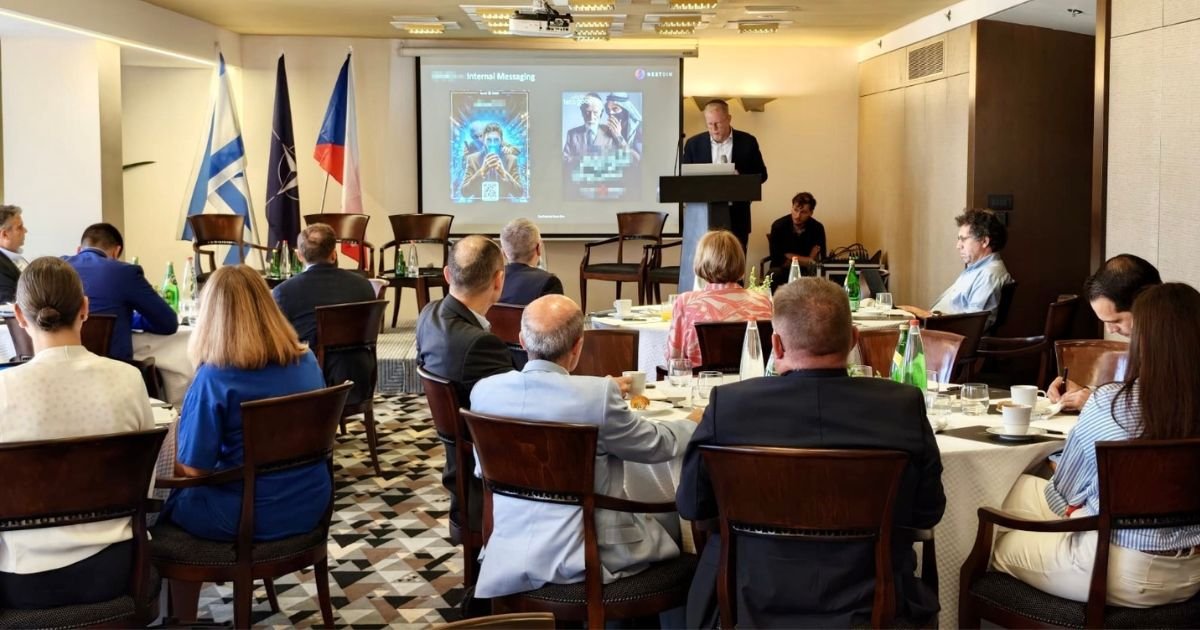
NATO contact Point Embassy Event: "Online Radicalization and the Resurgence of Terrorism"
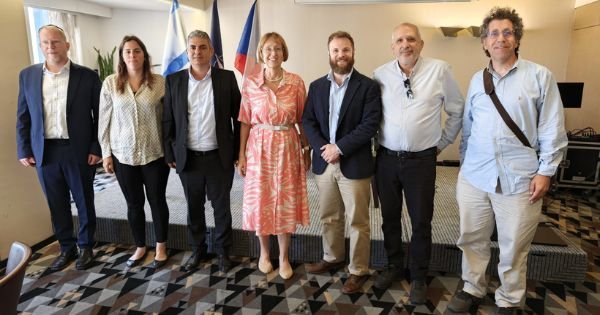
NATO contact Point Embassy Event: "Online Radicalization and the Resurgence of Terrorism"
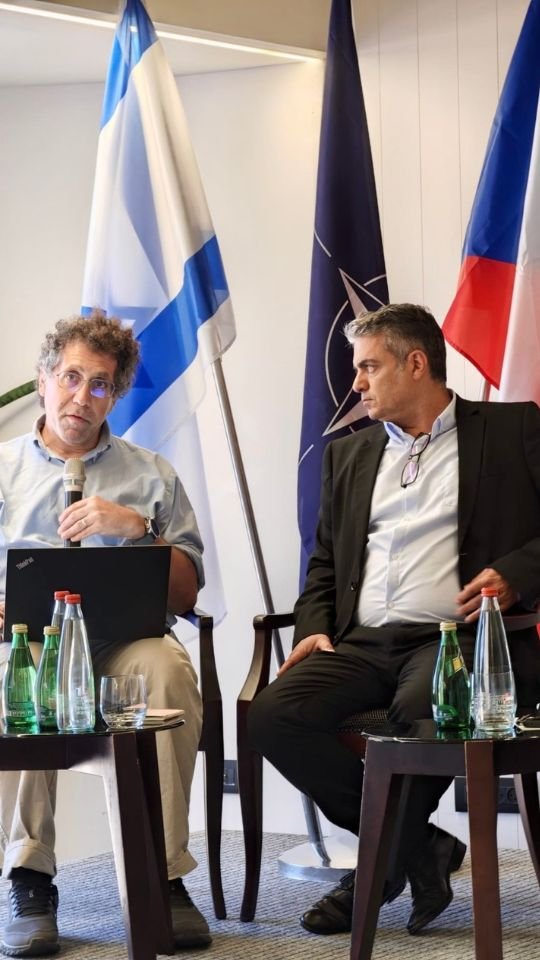
NATO contact Point Embassy Event: "Online Radicalization and the Resurgence of Terrorism"