


Taiwanese Wine Influencers Explore the Potential of Czech Wines
26.08.2026 / 09:16 | Aktualizováno: 26.08.2026 / 10:39
From 26 July to 1 August 2026, Czech Economic and Cultural Office in Taipei, in cooperation with Czech Tourism, Ministry of Agriculture, and Czech National Wine Center, organized a wineries trip across the Czech Republic for Taiwanese wine influencers and importers to promote Czech wines.
Discovering the Bohemia Wine Region
The five-day wine itinerary began in Kutná Hora, where Klára Kollárová from the National Wine Center delivered a comprehensive introduction to Czech winemaking heritage, the distinct sub-regions of Bohemia and Moravia, and indigenous grape varieties.

The mission started with a visit to Kutná Hora Wine Cellars, a certified biodynamic winery since 2014, exploring its cellars, and vineyards next to St. Barbara’s Cathedral.
The delegates also walked through Kutná Hora with a local guide to Vlašský dvůr, where they experience minting their own coin and got a memorable souvenir.

Exploring the Moravian Wine Heartland
Transitioning to the Moravia region, participants engaged in an intensive multi-day winery tour showcasing regional terroir, craftsmanship, and wine lifestyle:
- THAYA Winery: Offers cellar-style accommodations, rooftop tastings, and paired dinners, highlighting wine as an essential component of Czech living

- Špalek Winery: In Znojmo, delegates visited the family owned winery and its 300 year-old cellars.

- Plenér Winery: Plenér Winery made a lasting impression through its winemaker's personal touch, prompting importers to request samples for Taiwan.
- Holec Winery: A memorable degustation in the vineyard, with their unique wine label designs with local flowers and earth.

- Fučík Winery: In Mikulov, Fučík Winery offers Hotel Ryzlink with a great view to Svatý kopeček, and degustation with pairing dinner.
- Marvin Winery: Their wines from the talented young winemaker were identified as having high market potential for Taiwan, leading to direct sample requests.
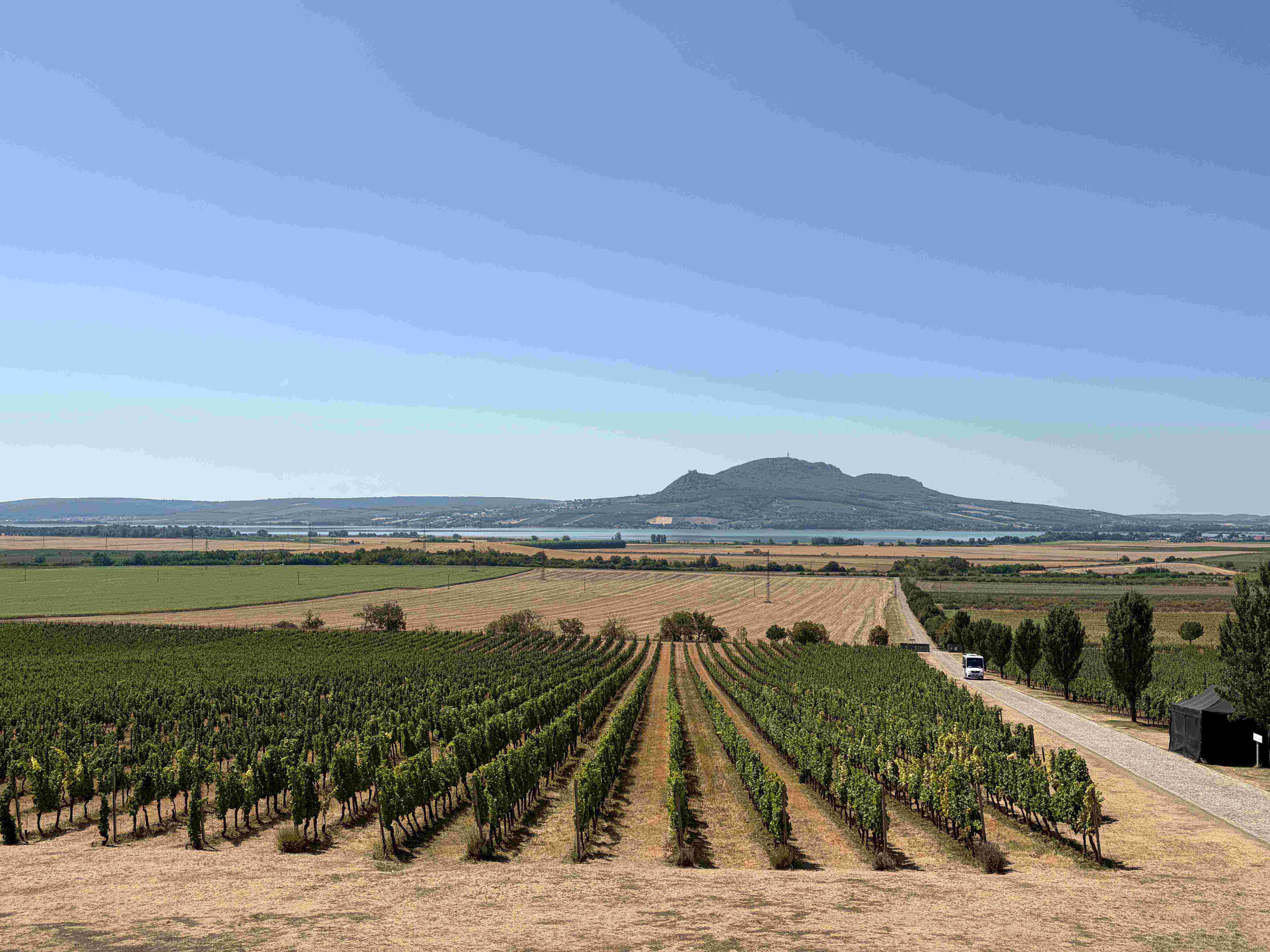
- Sonberk Winery: Showcased panoramic views of Pálava Hill and introduced Noble Rot, Dry, and Straw wine from native Pálava grape variety popular among Taiwanese consumers.
- Valka Winery: At Valka Winery, delegates explored cellars, vineyards, and local specialty spirits such as meruňkovice.
- Syfany Winery: Demonstrated active import connections in Taiwan and conducted tastings using Května hand-blown crystal glassware.
- Ludwig Winery: Besides wines, they produce several products from grapes, such as non-alcoholic beverages, grape tea, cookie bars, and skin care products.
- Škrobák Winery: A modern boutique hotel located on a bike route, where visitors can explore wineries in Moravia by bike.
- The Haban Cellars: It is one of the Czech largest wineries, and it offers guided wine history tours in their cellar with vivid historical animations projected onto the walls, showcasing the winemaking techniques and development of the Habans.

- Hrabal Winery: In Velké Bílovice they have their own qualitied wine selection, Slípka, only the selected wines can have a hen label on the bottles, and Hrabal Winery’s red wine is among them.
- Osička Winery & Bidule Winery: Bidule’s signature sparkling and still wines received exceptional feedback, with importers requesting samples and quotations.
- A networking banquet at Škrobák Winery with Stapelton Winey, Vitas Winery, and Oulehla Winery.
- Krásná hora Winery: Coworking with a Taiwanese importer, Krásná hora’s impressing Pinot Noir and white wine were presented at Food Taipei 2026.
Celebrating Award-Winning Heritage
The tour concluded with visits the prestigious Wine Salon of the Czech Republic in Valtice—where delegates sampled and purchased from the top 100 awarded Czech wines—and the UNESCO-listed Lednice Chateau park before returning to Taiwan.

Market Impact and Future Outlook
The mission received enthusiastic feedback from all delegates, providing a fresh perspective on Czech winemaking, culture, and terroir. The initiative has already generated market interest beyond the participating group, with non-attending Taiwanese importers inquiring about Czech wine. We look forward to having more Czech wines in Taiwan market.
Author: Sofie Chang, Economic, Trade, Science and Technology Section, Czech Economic and Cultural Office in Taipei