




Pakistani Textiles Seek Sustainable Solutions: Opportunities for Czech Companies
03.08.2026 / 12:00 | Aktualizováno: 03.08.2026 / 12:26
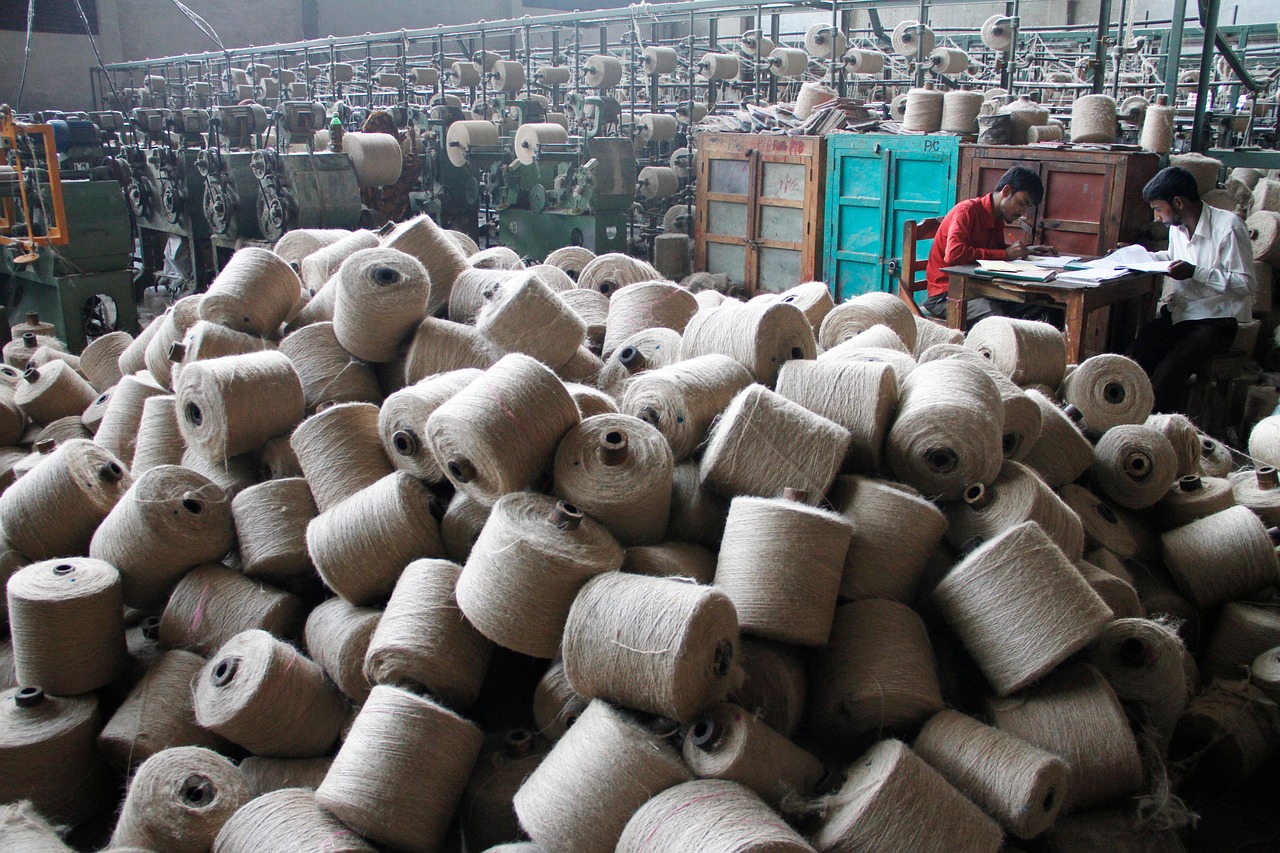
Pakistan ranks among the world's most prominent manufacturers of textiles and apparel. The sector accounts for over half of the country's total exports and enjoys preferential access to the European Union market under the GSP+ scheme. However, the industry urgently needs to modernize production, reduce energy consumption, and meet the growing sustainability requirements of European clients. EU development support provides a strategic gateway for Czech technologies and know-how to enter the Pakistani market.
The textile and clothing industry is a core pillar of the Pakistani economy, representing over half of total exports—primarily comprising garments, bed linen, towels, and related products.
The significance of Pakistani textiles is equally evident in bilateral trade with the Czech Republic. According to the Czech Statistical Office, Czech imports from Pakistan reached CZK 9.174 billion in 2025, while Czech exports stood at CZK 1.090 billion. Textile imports alone accounted for approximately CZK 3.918 billion—an increase of more than 68% compared to 2020.
The sector benefits from major manufacturing hubs in Punjab and Sindh provinces, competitive production costs, and GSP+ status, which allows over 85% of Pakistani exports to enter the EU market duty-free and quota-free. However, beyond price, European buyers increasingly prioritize quality, energy efficiency, waste management, and supply chain traceability.
Modernization in these specific areas creates strong potential for Czech solutions in energy management, water treatment, industrial automation, digitalization, and circular economy practices.
Matching Grants to Support Sustainable Growth
A concrete opportunity for support is currently offered by the Challenge Fund, launched under the EU project "Better Governance and Business Environment." The program is co-financed by the European Union and Germany and implemented by GIZ in collaboration with Pakistani institutions.
The initial call targets Pakistani small and medium-sized enterprises (SMEs) in the textile and garment industry across Punjab and Sindh provinces. It provides matching grants ranging from EUR 30,000 to EUR 100,000, with the applicant required to co-finance 50% of the total project costs.
Grants are not intended solely for single-equipment purchases, but for systemic projects that improve overall operational efficiency and serve as scalable models for the industry.
Supported activities include:
-
Reduction of energy, water, and chemical consumption
-
Textile waste utilization and circular manufacturing processes
-
Digital traceability and digital product passports
-
Carbon footprint measurement and ESG reporting
-
Occupational health and safety, including the integration of women into export-oriented operations
Pakistani Applicant, Czech Solution
Grant applications must be formally submitted by a Pakistani entity. However, Czech companies can actively participate as technology suppliers, technical partners, consultants, or European buyers.
This structure is particularly advantageous for Czech firms already sourcing textiles from Pakistan with established local supplier networks. They can inform their local partners about the funding call and jointly design a project centered on Czech equipment, software, or technical expertise, thereby deepening commercial ties.
Companies unable to submit by the current deadline (August 10, 2026) can expect subsequent calls based on the results of the first round. Czech firms can already begin identifying specific technological needs with their Pakistani partners to prepare projects that support long-term trade with the Czech Republic and the European Union.
More information on the call for proposals: Challenge Fund – GIZ Pakistan