



Czechia Hosts Debate on Digital Transnational Repression
05.10.2026 / 15:00 | Aktualizováno: 15.10.2026 / 15:32
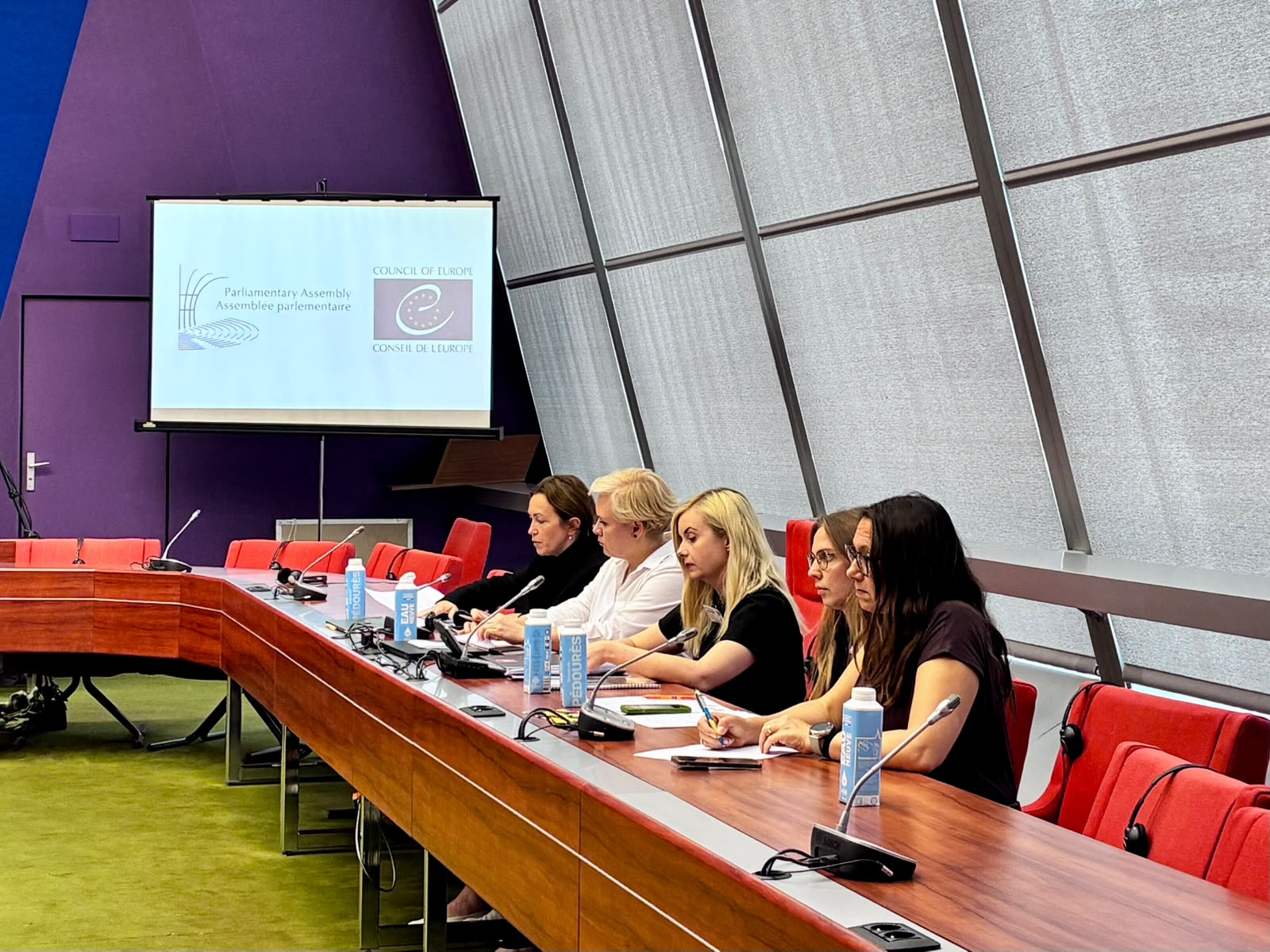
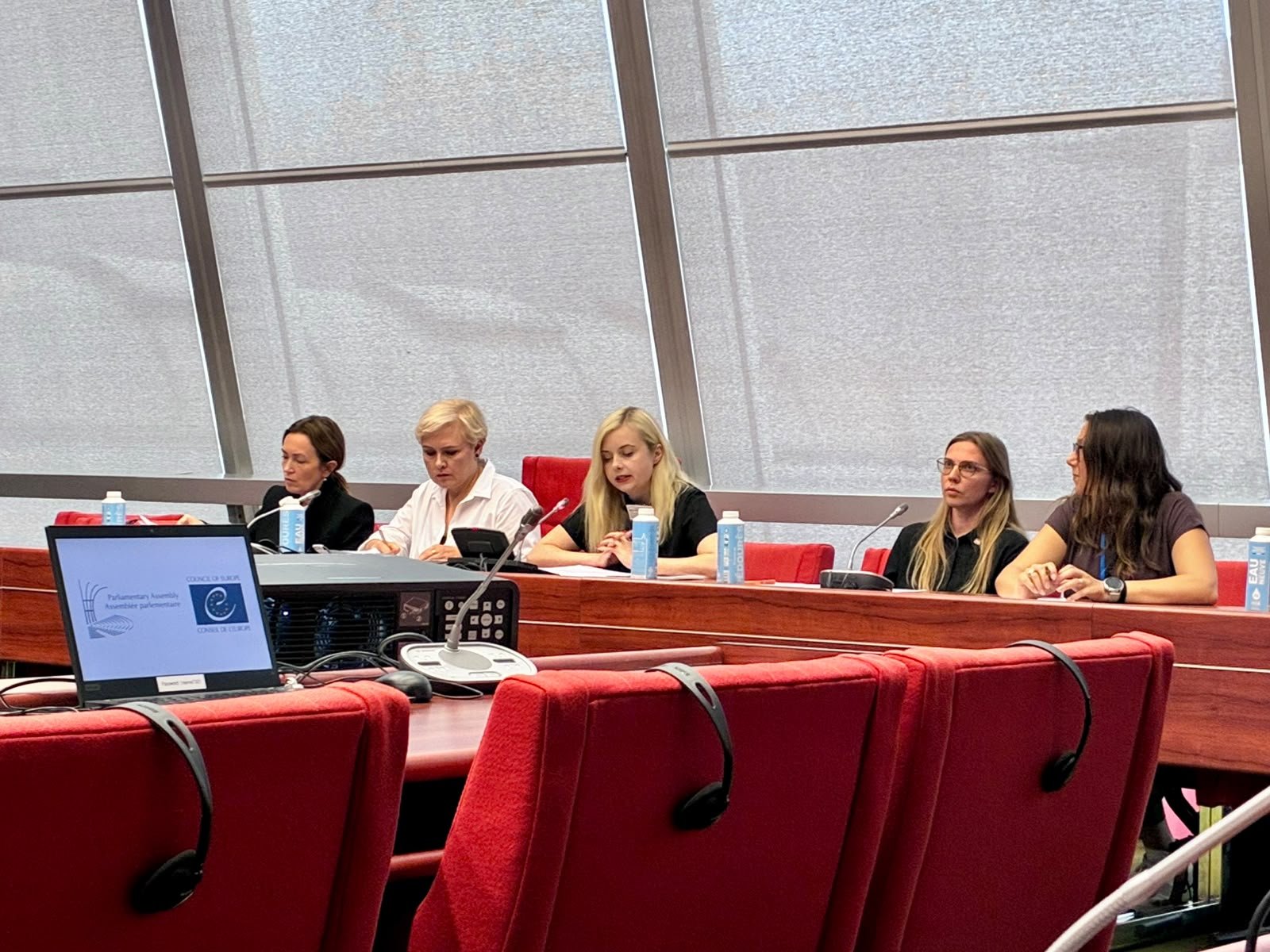
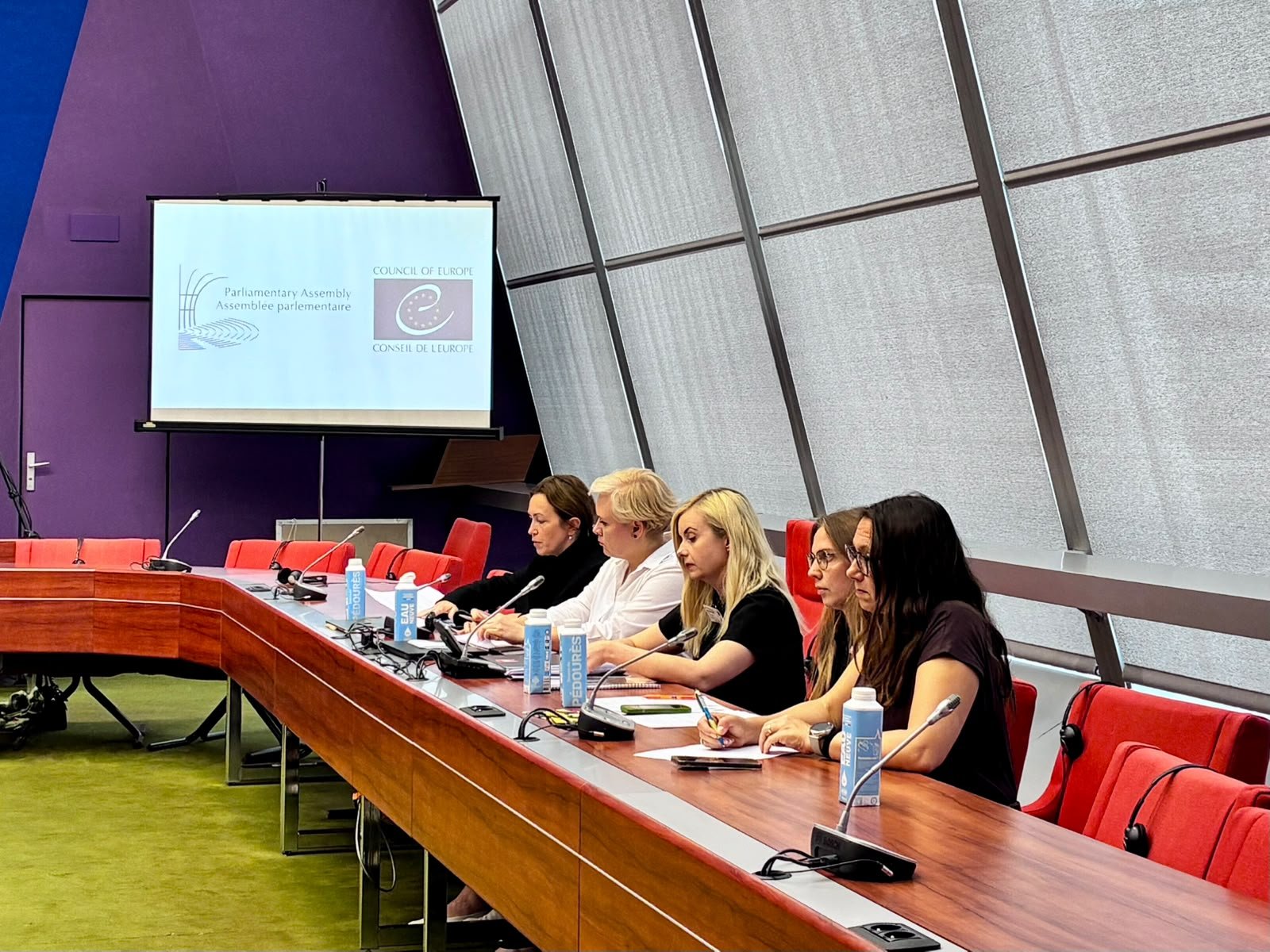
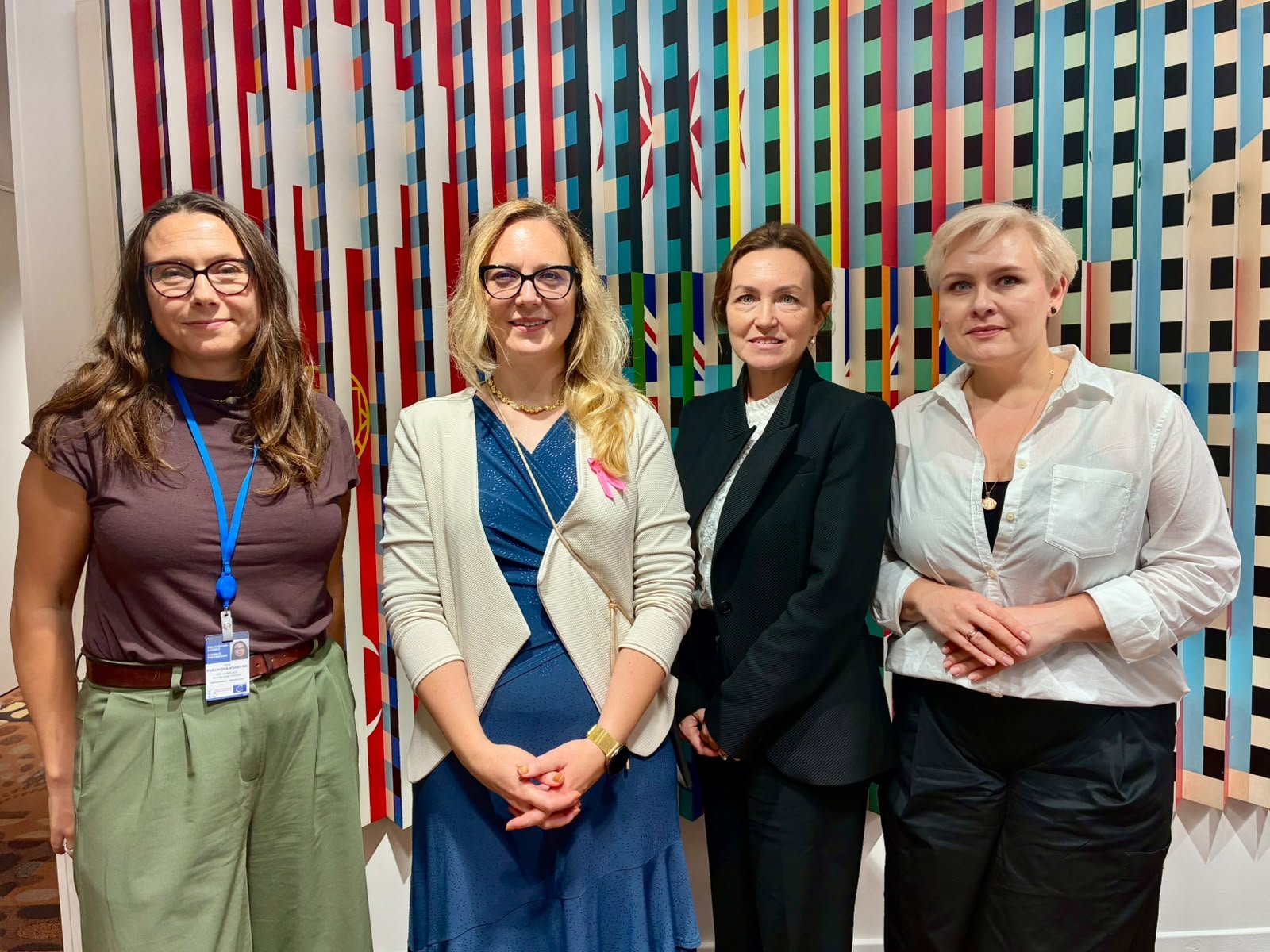
A side event dedicated to digital attacks and repression in the online sphere took place in Strasbourg during the Parliamentary Assembly of the Council of Europe. The debate was organised by Czech delegate Irena Ferčíková Konečná.
Transnational repression has traditionally included the surveillance of targeted individuals, threats against their family members, arbitrary detention upon return, assassinations, renditions and other forms of coercion. New technologies, however, have transformed these practices, making attacks against journalists, human rights defenders and individuals living in exile increasingly sophisticated. Digital platforms enable non-democratic state actors to monitor, intimidate and silence political opponents far beyond their own jurisdictions. At a time when a significant part of our lives is lived online, such attacks have likewise moved into the digital sphere. Life in exile therefore no longer marks the end of repression, but merely a change in its form.
Lithuania and Poland have become key centres for Belarusian and Russian civil society in exile. Despite the robust legal frameworks and protection provided by both countries, journalists and political opponents continue to face hybrid threats whose reach extends beyond national borders. The discussion explored how digital attacks have transformed transnational repression and affected the lives of Belarusians and Russians living in exile. Participants included Russian-American journalist Alsu Kurmasheva of Radio Free Europe/Radio Liberty, Belarusian lawyer and PEN Belarus member Iryna Kozikava, and Joanna Szymańska and Lída Gobechia Vacková from ARTICLE 19 Europe.
The panellists shared their personal experiences of targeted attacks and emerging forms of repression. The debate also focused on how Europe can more effectively strengthen collective protection against digital attacks. Safeguarding human rights defenders and individuals living in exile is not only an expression of solidarity, but also an investment in strengthening democracy, the rule of law and resilience against external interference.
For more information, readers may consult the ARTICLE 19 report.
Debate on Digital Transnational Repression - PACE side event
Debate on Digital Transnational Repression - PACE side event

Debate on Digital Transnational Repression - PACE side event
Debate on Digital Transnational Repression - PACE side event