



Wonders of Czech Desigm
21.08.2026 / 08:29 | Aktualizováno: 21.08.2026 / 08:33
Czechoslovak architects played a significant role in shaping modern Kuwait’s architecture, particularly during the 1960s and 1970s. Their work was part of Kuwait’s rapid modernization, where the oil boom allowed for extensive urban development.
Many of these architects were influenced by modernist principles, adapting their designs to Kuwait’s climate and cultural context. Karel Filsak, with his expertise in modernist design was part of the broader Czechoslovak influence in the region. His most prominent works were mostly in Czechoslovakia, but his role as an influential architect may have indirectly contributed to architectural trends followed by his contemporaries in Kuwait.
Among other Czechoslovak Architects Active in Kuwait is possible to mention Zdeněk Kovář - a key figure in the Czechoslovak architectural scene, who contributed to urban planning projects in the Middle East, although specifics of his work in Kuwait are less documented. Then, František Škoda - aprominent architect who, along with others from Czechoslovakia, designed various projects aimed at modernizing infrastructure and creating functional urban spaces in Kuwait. In area of prefabricated housing, Czech architects and engineers designed and delivered prefabricated housing units, which were essential during Kuwait’s population boom. In urban planning, Czech architects and planners were involved in designing the layout of new urban districts in Kuwait, reflecting the principles of modernist architecture.
Some Czechoslovak firms were involved in designing functional and modern public buildings and institutions, working alongside local architects and planners. Czechoslovak firms were involved in infrastructure projects, urban planning, and prefabricated housing solutions for Kuwait’s expanding population. Many architects worked for Technoexport, a Czechoslovak state-owned company that specialized in exporting engineering and architectural expertise to the Middle East, Africa, and Asia.
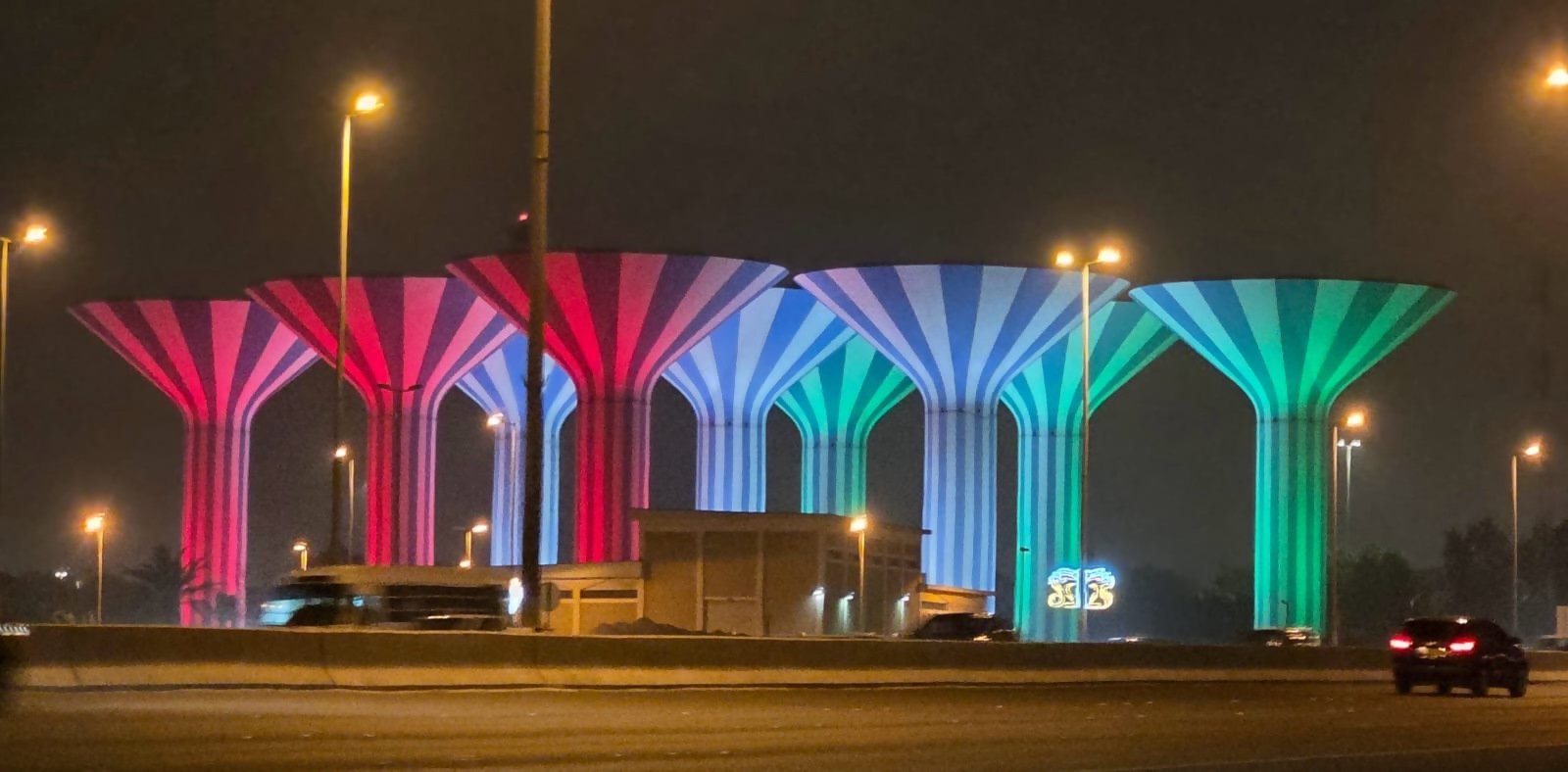
Strojexport and Armabeton of Czechoslovakia contributed to the construction of the Water Towers (1977) Strojexport and Armabeton were two prominent Czechoslovak companies that played key roles in the development of Kuwait’s infrastructure, particularly in the construction of water towers in the 1970s. These companies were involved in the design, engineering, and construction of essential infrastructure during the country’s rapid urban expansion and development following the oil boom.
Czech architects or design and innovative technologies were involved in many other public or private houses, for instance in Seif Palace. However, the detailed evidence of their footprint is not publicly available. During the period of 1981-1986 agroup of 5 Czech architects designed the Amiri Diwan. Names of the above-mentioned architects: Václav Bašta, Bohumil Blažek, Radim Boháček, Alexander Gjurič, Jiří Vít and Ivo Bílý. They worked for the Archicentre office.
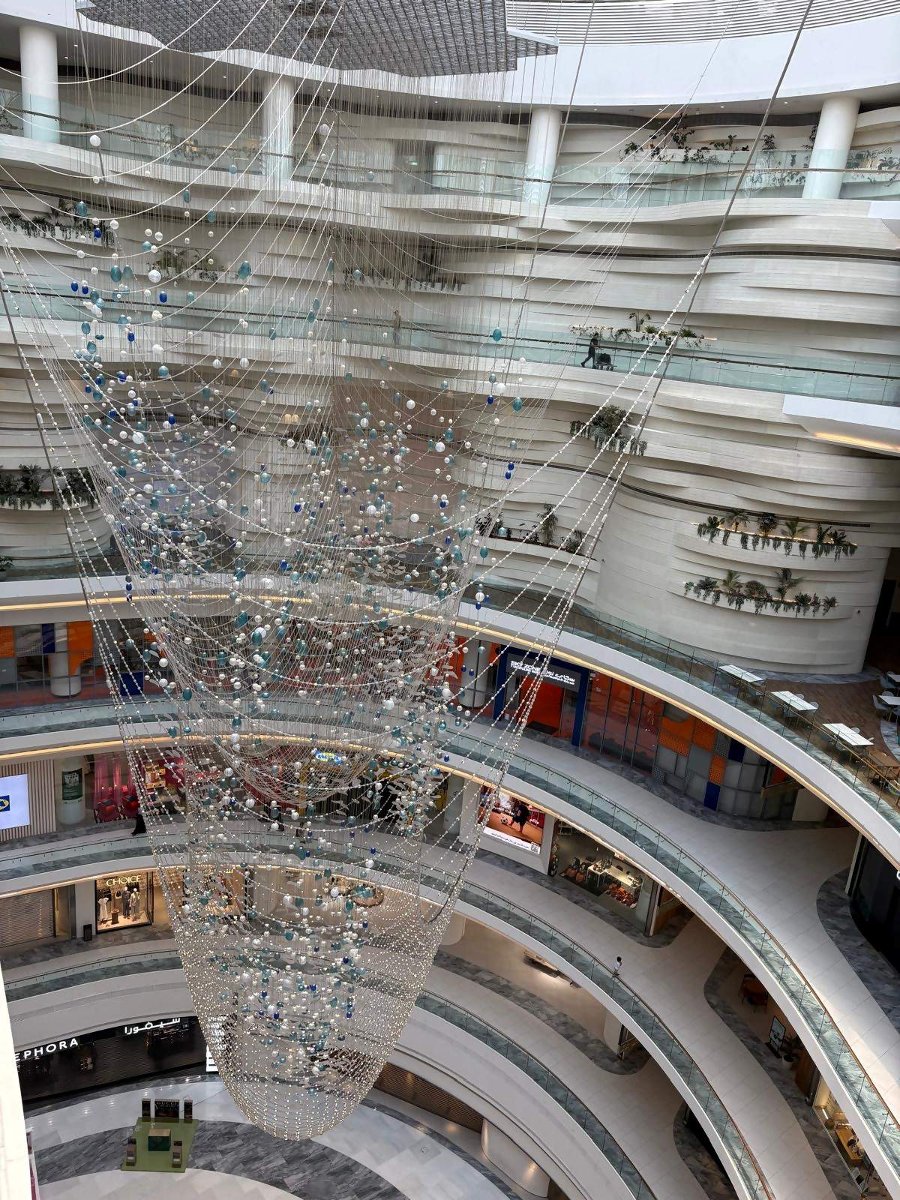
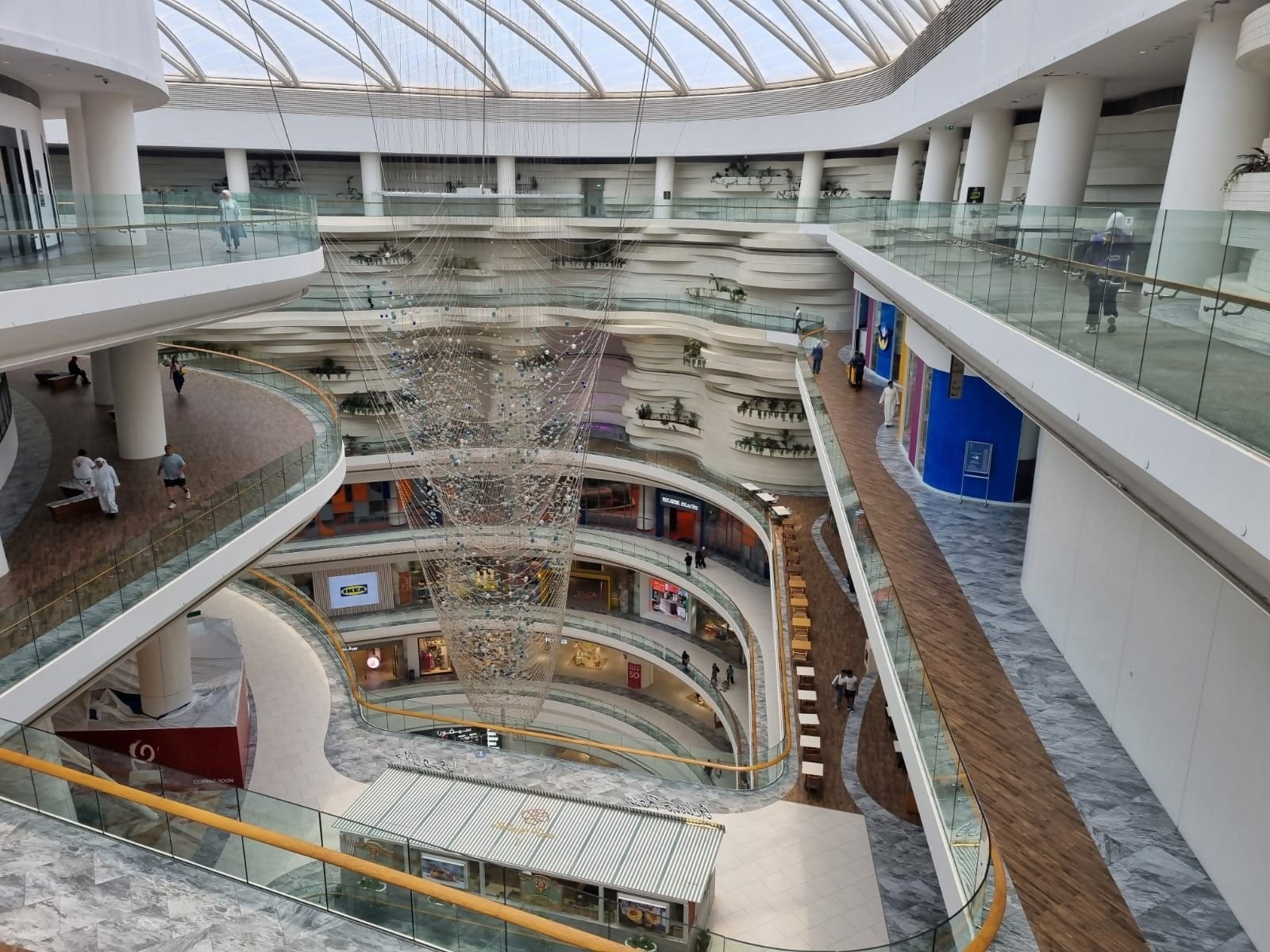
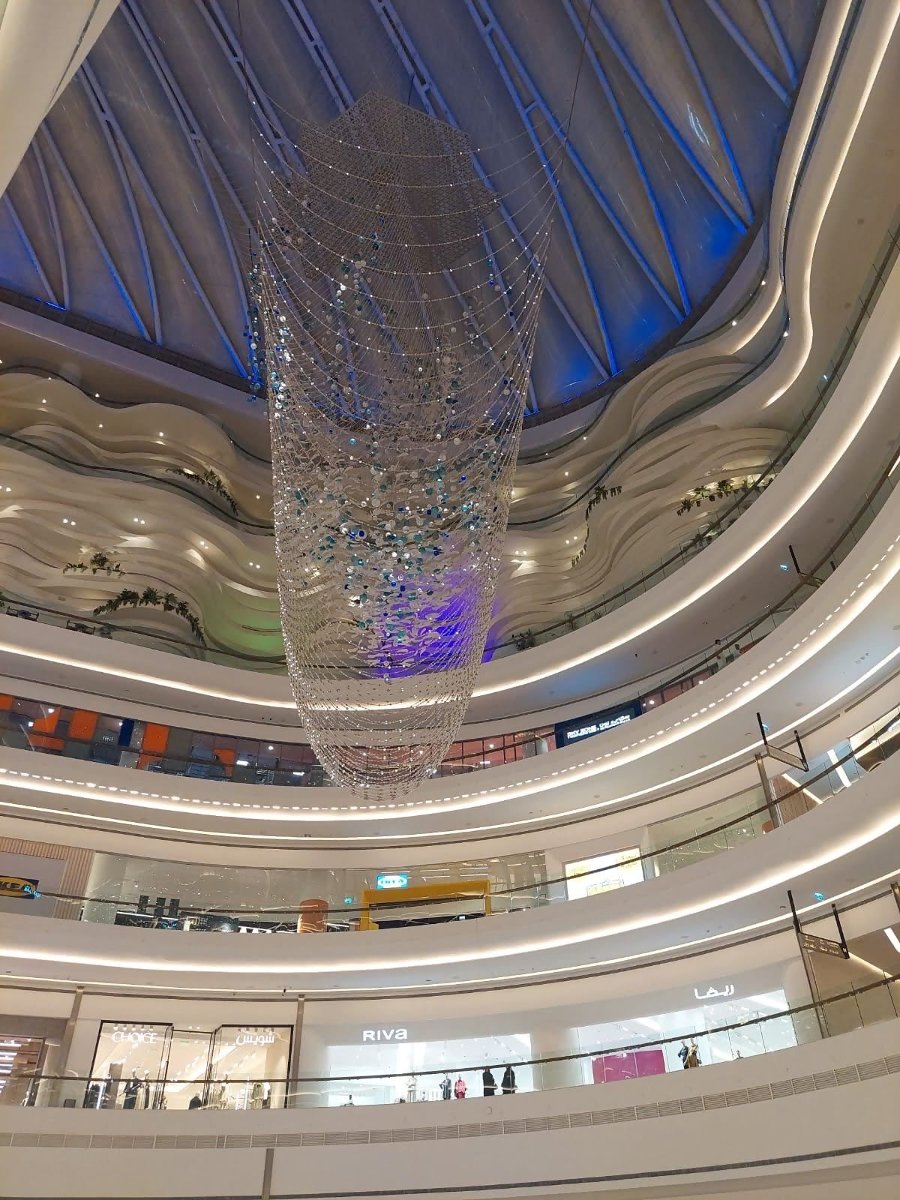
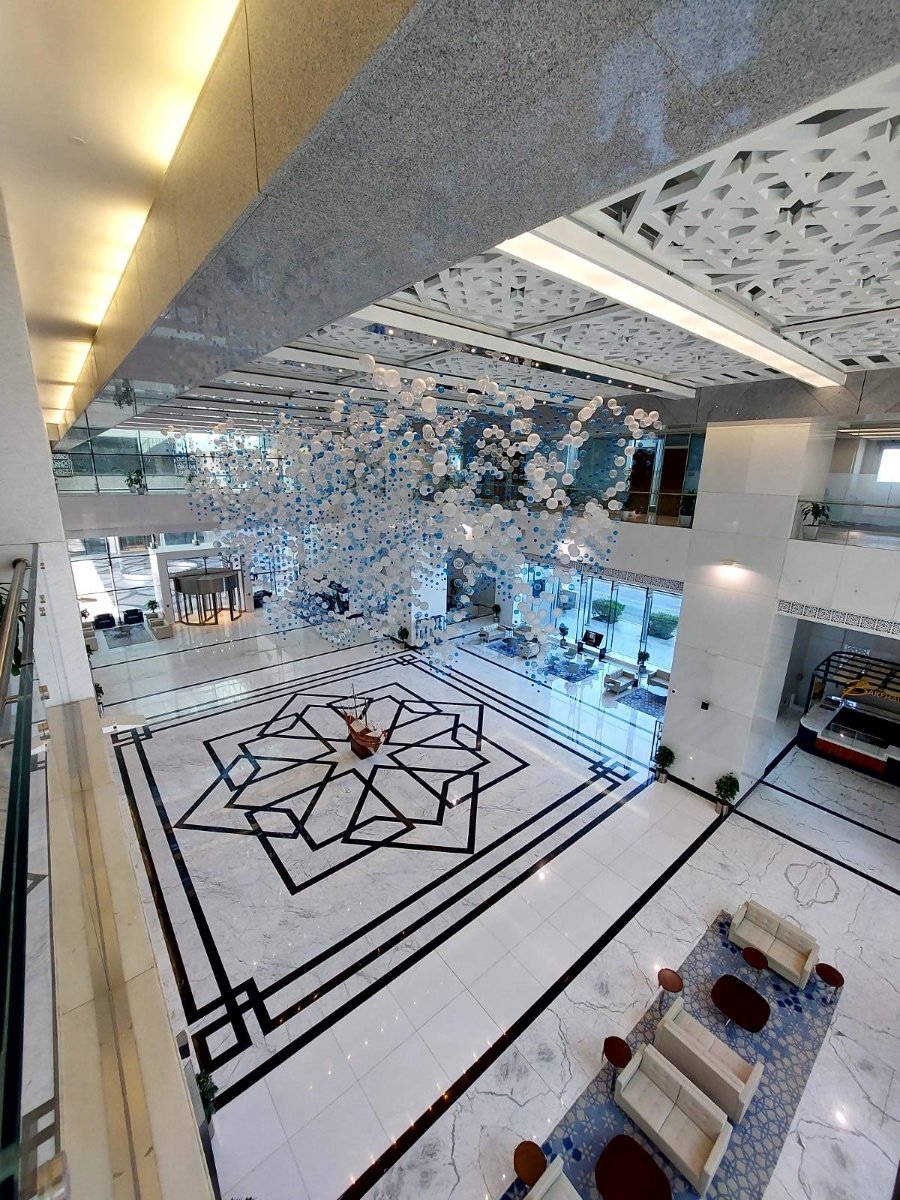
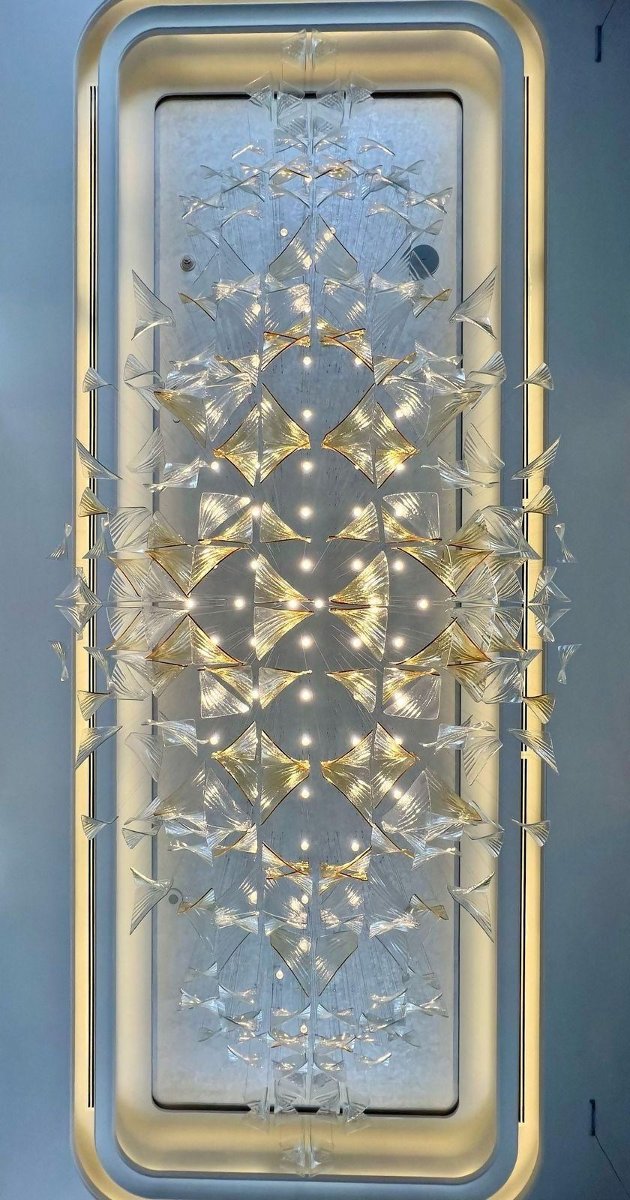
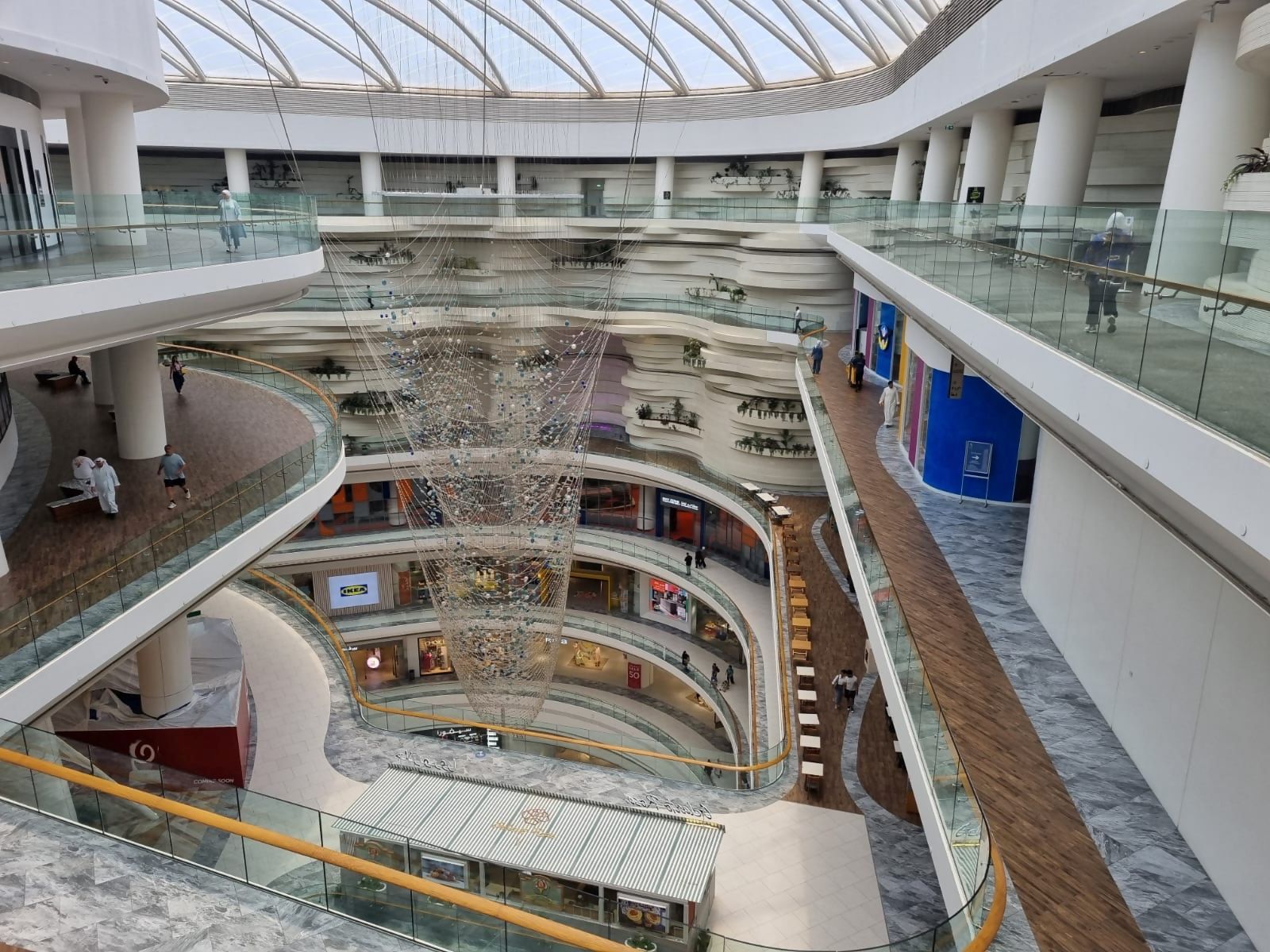
Few other masterpieces designed by Czech artists mainly in traditional crystal sector are to be admired in Assima Mall or in Kuwait Investment Authority´s headquarters Assima Mall, located in the heart of Kuwait City, features a striking glass installation titled “The Pearl Dive,” created by Czech glass design company LASVIT. This dynamic lighting sculpture pays homage to Kuwait’s rich history in pearl diving, a significant aspect of its cultural heritage. Designed by Katerina Handlova for Lasvit, “The Pearl Dive” is recognized as the world’s largest three-dimensional suspended chandelier, according to the Guinness World Records. It measures an impressive 47,7 metres in height, 29,2 metres in length and 28,3 metres in width, while its structure weights approximately 16 tones. The installation artistically represents the traditional fishing nets used in pearl hunting, with illuminated nets and crystal glass bubbles in various shades of the sea, capturing the essence of Kuwait’s maritime legacy.
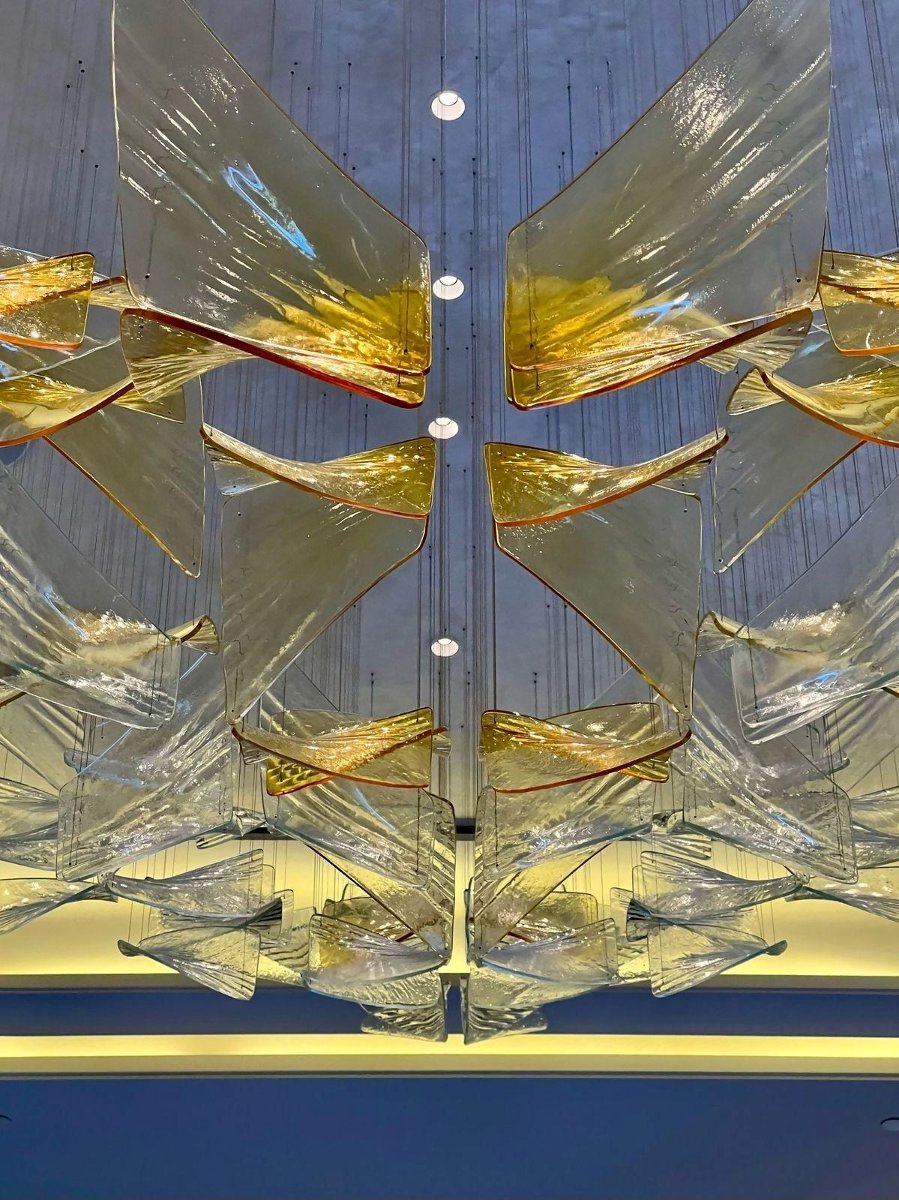
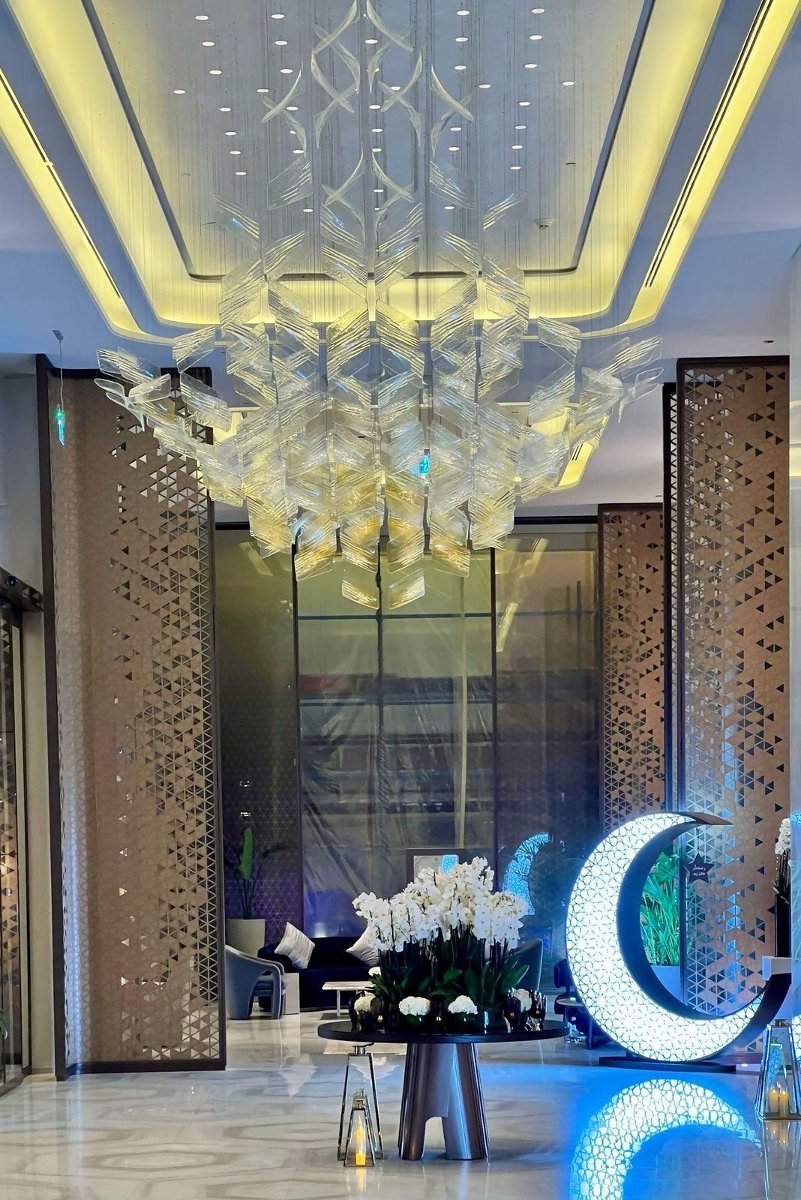
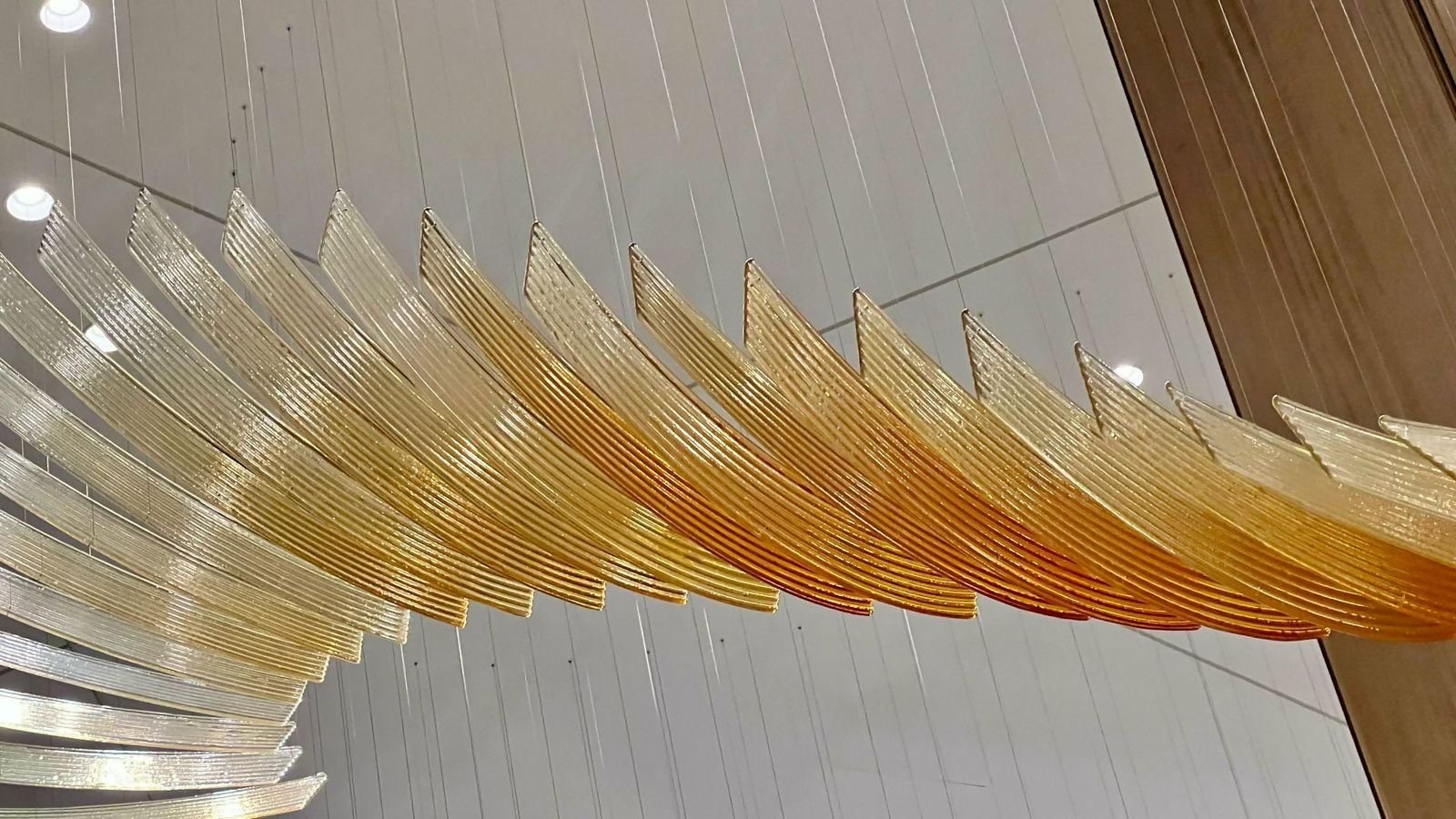
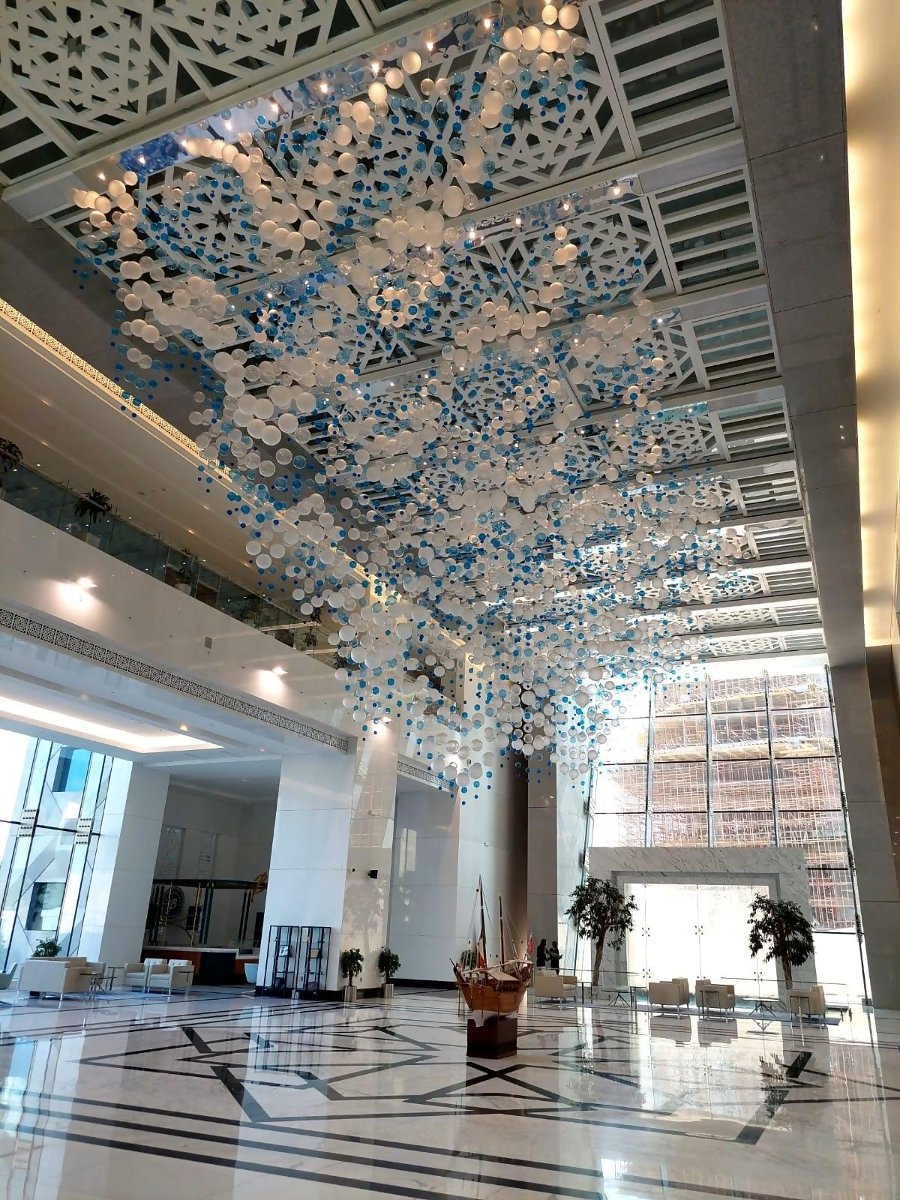
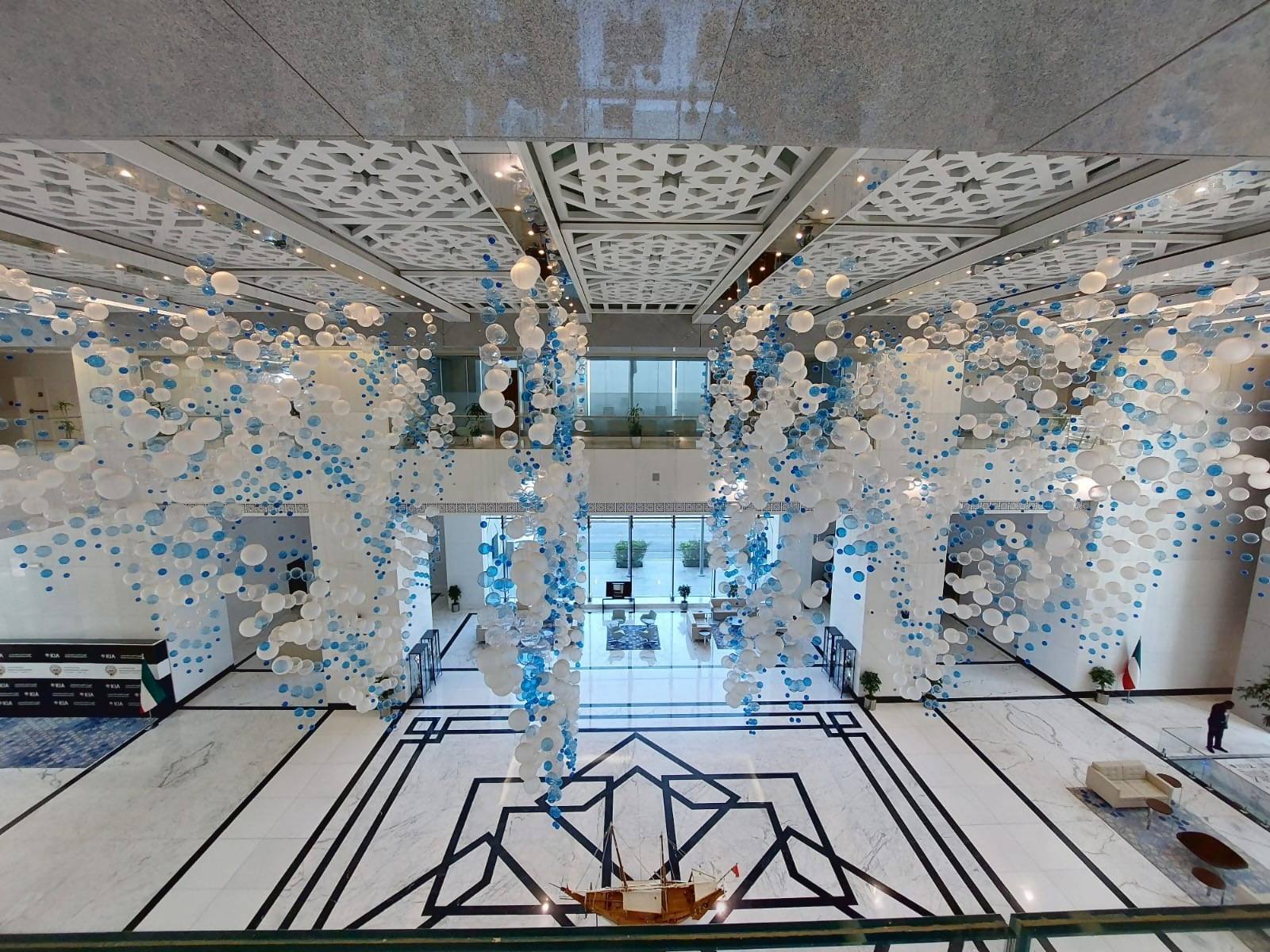
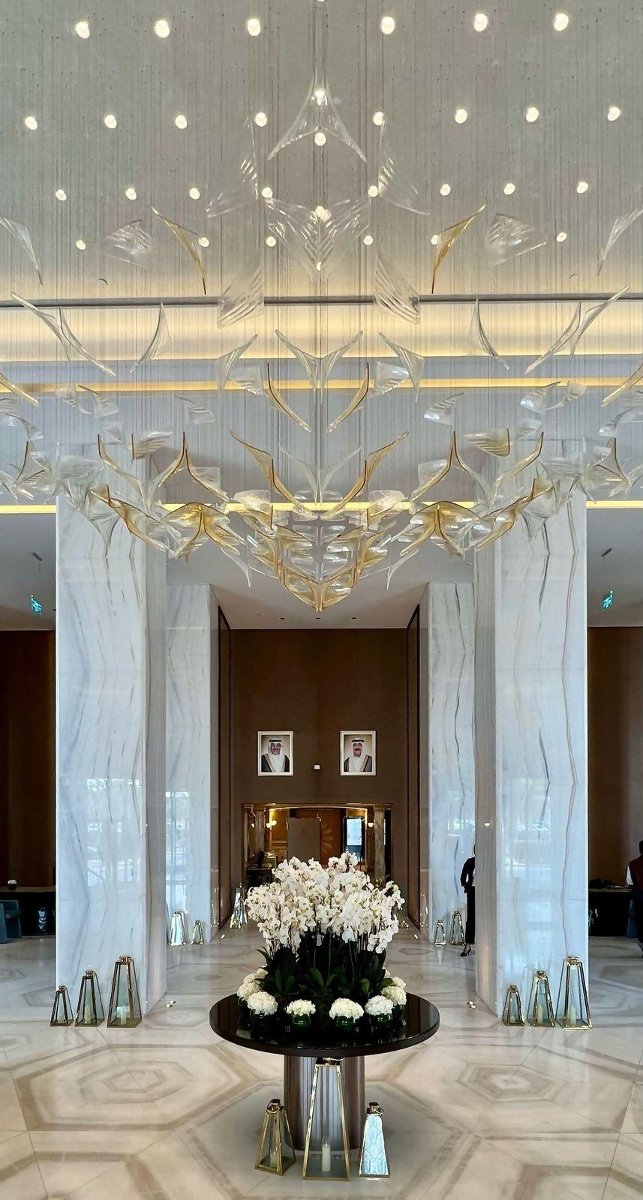
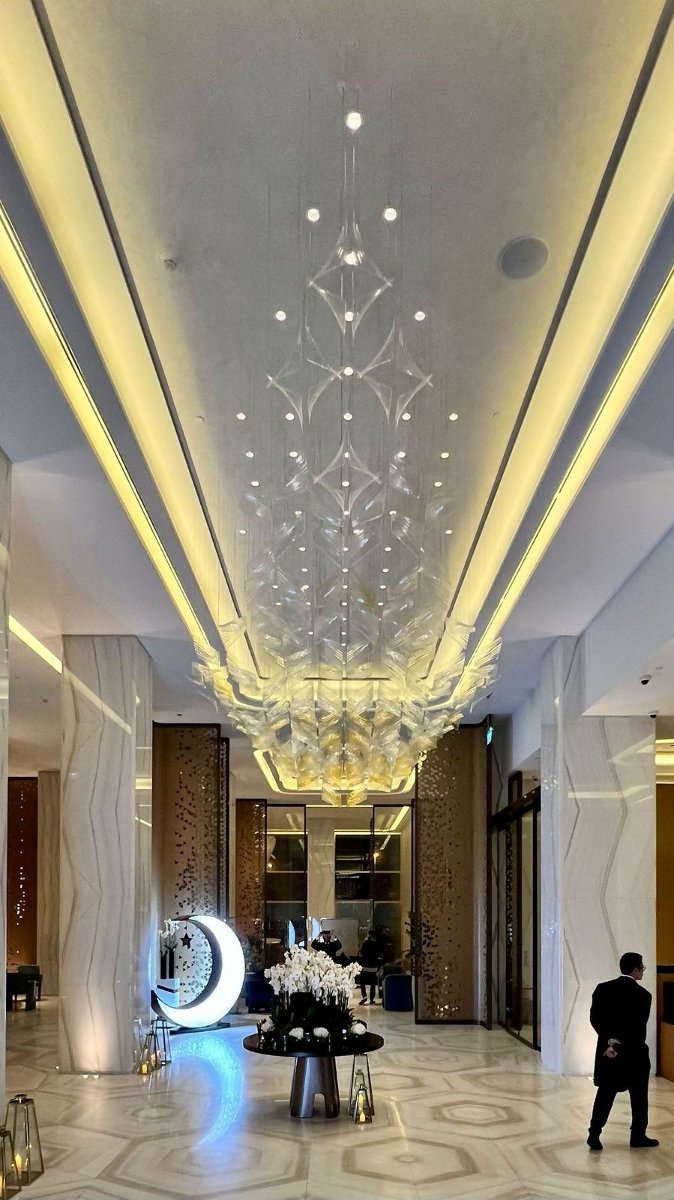
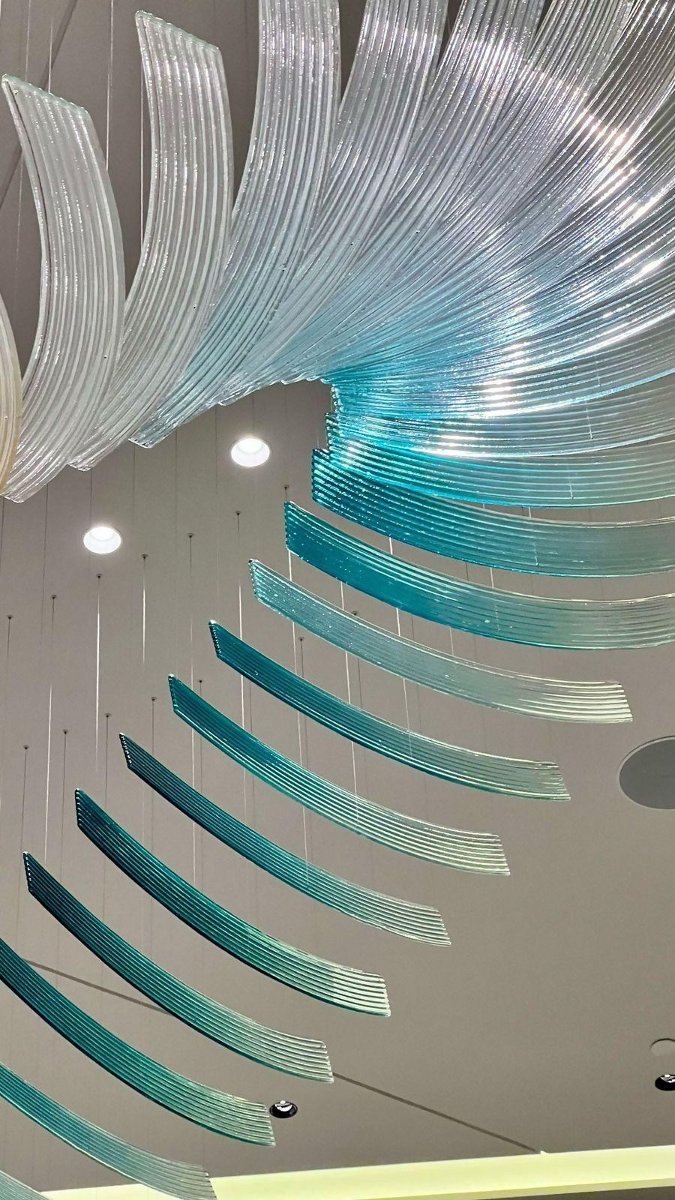
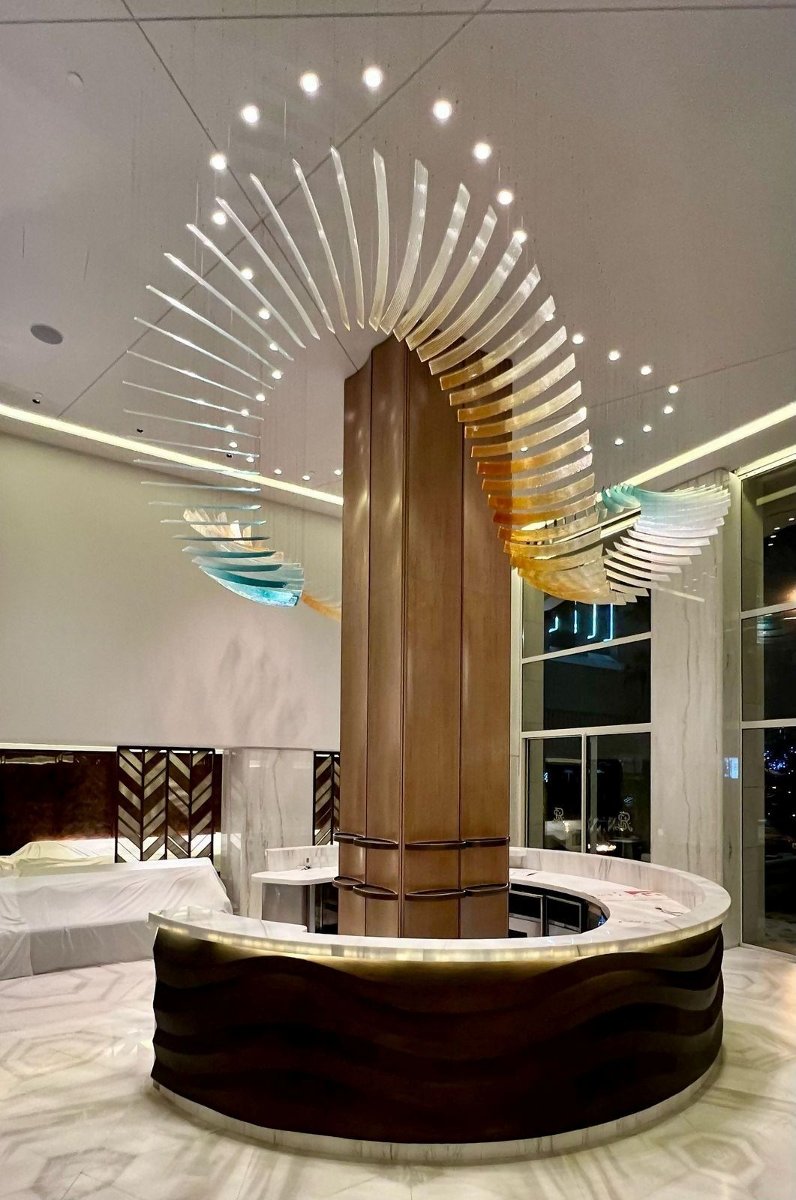
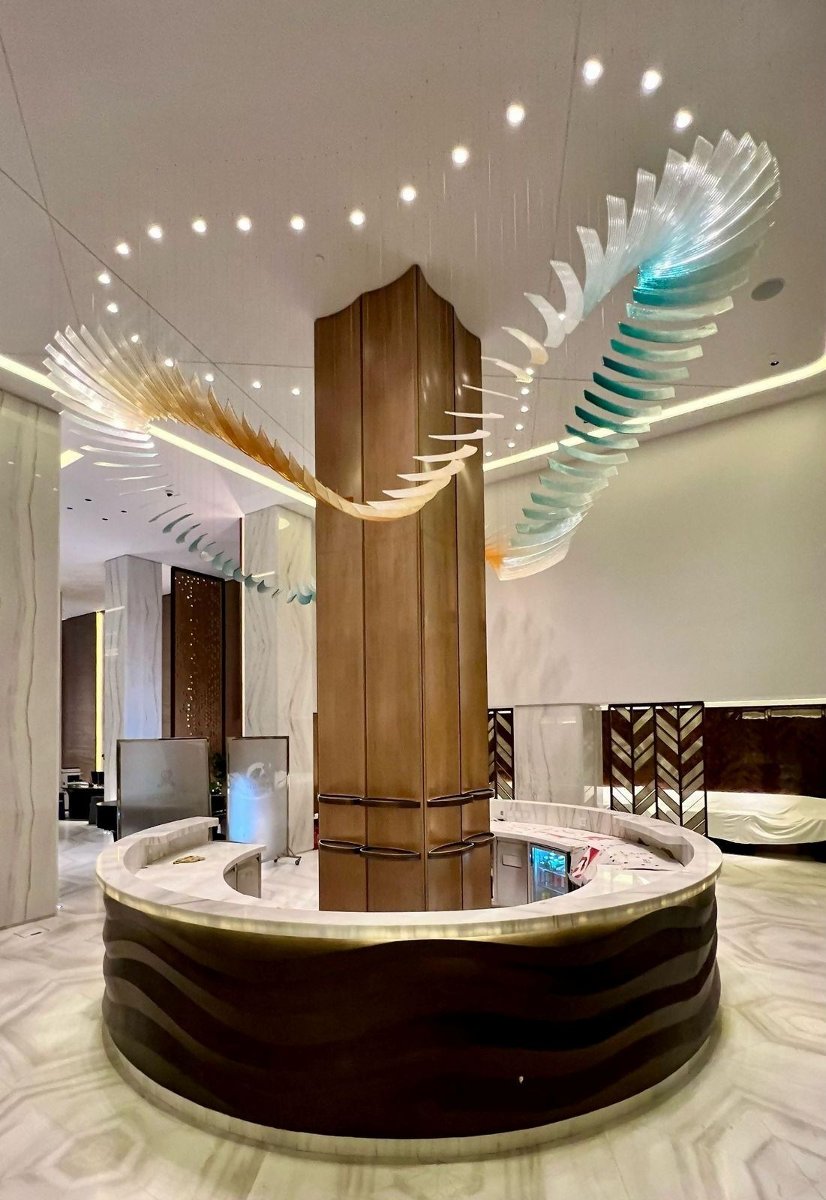
Among other publicly accessible masterpieces designed, produced and installed by Czech LASVIT company belong crystal chandeliers in St. Regis Hotel in Kuwait City. The epic artistic masterpiece was designed to commemorate Kuwait tradition of maritime life representing Dhow ship underlining the importance of maritime culture in Kuwait. Two chandeliers have been decorating luxurious spaces in St. Regis hotel lobby and bar since March 12, 2025. Another crystal chandelier by LASVIT representing flying birds which is open to a public audience can be admired in luxurious zone of the Avenues Shopping Mall. The Kuwait Investment Authority (KIA), established in 1982, is the world’s oldest sovereign wealth fund, managing Kuwait’s financial reserves to ensure long-term prosperity for future generations. In its main entrance, KIA features an artistic chandelier inspired by sea waves and pearls, reflecting Kuwait’s rich maritime heritage. This chandelier was crafted by Aldit, a Czech lighting design company renowned for creating unique, custom lighting pieces that serve as central elements in modern interiors. The chandelier’s design draws from traditional fishing nets used in pearl hunting, incorporating illuminated nets and crystal glass elements in various sea-inspired shades. This artistic piece not only enhances the aesthetic of KIA’s entrance but also pays homage to Kuwait’s cultural legacy.
Galleries
Wonders of Czech Design