



Minister Lipavský Attended the NATO Foreign Ministers’ Meeting in Brussels
03.12.2025 / 13:51 | Aktualizováno: 03.12.2025 / 15:45
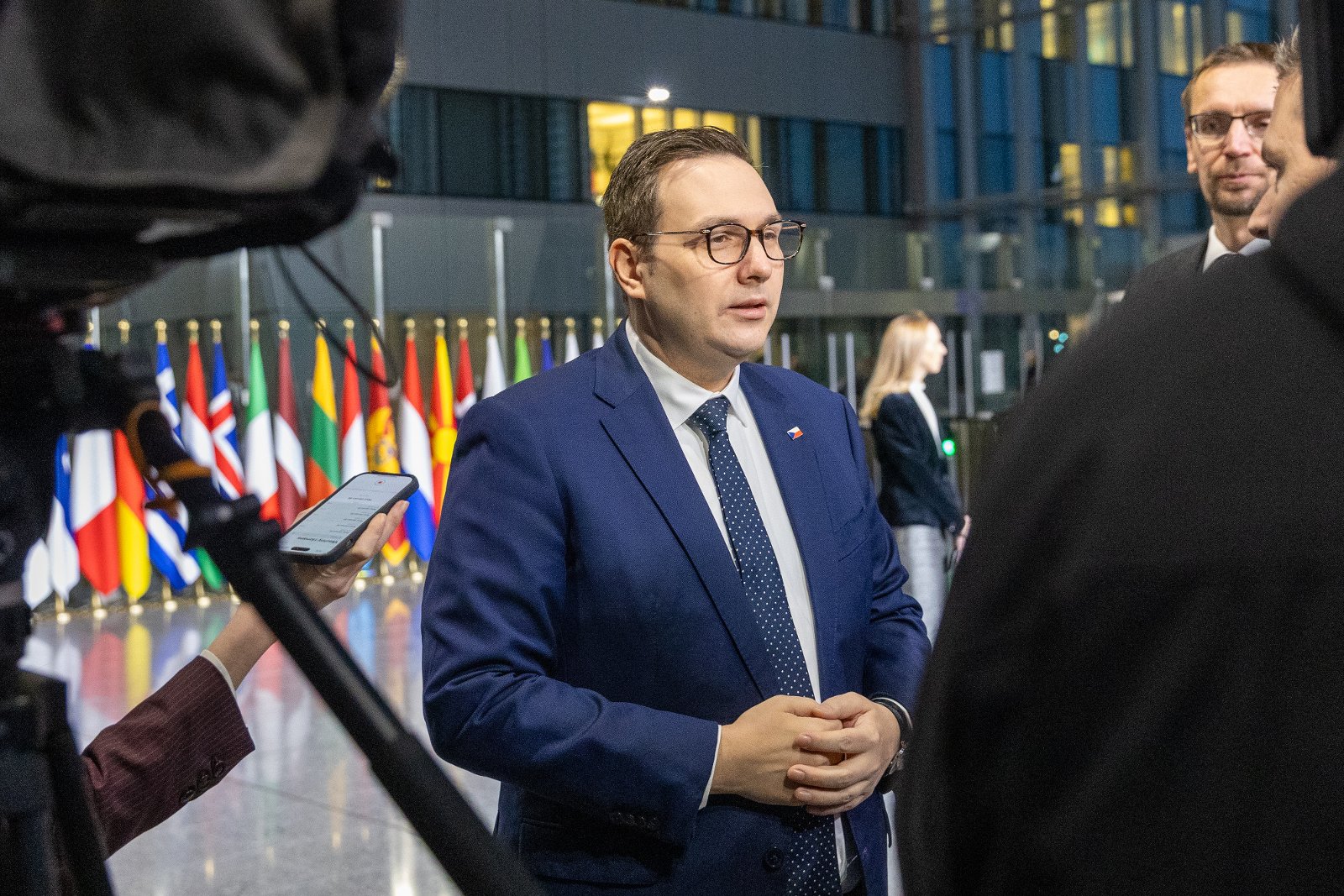
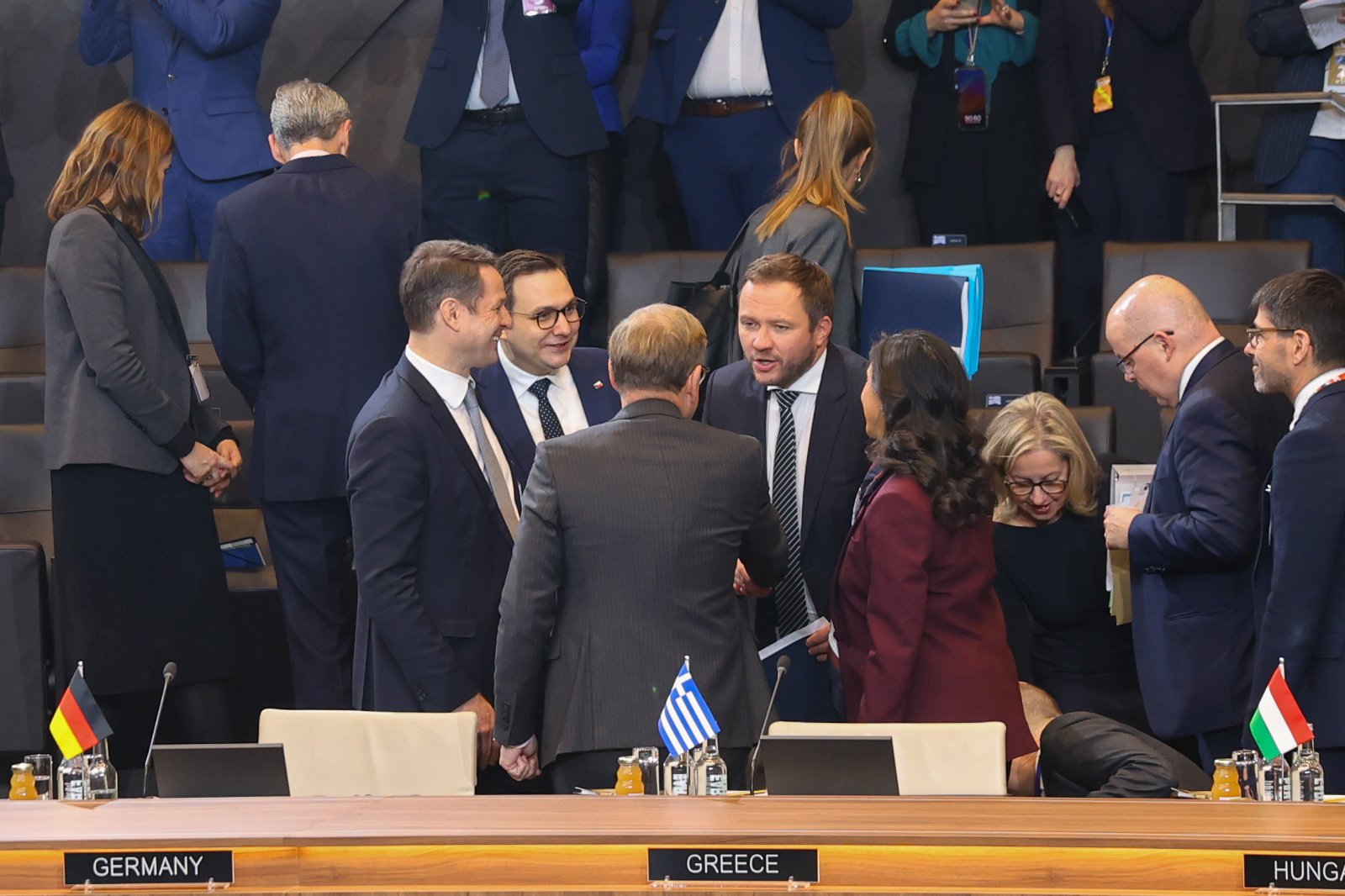
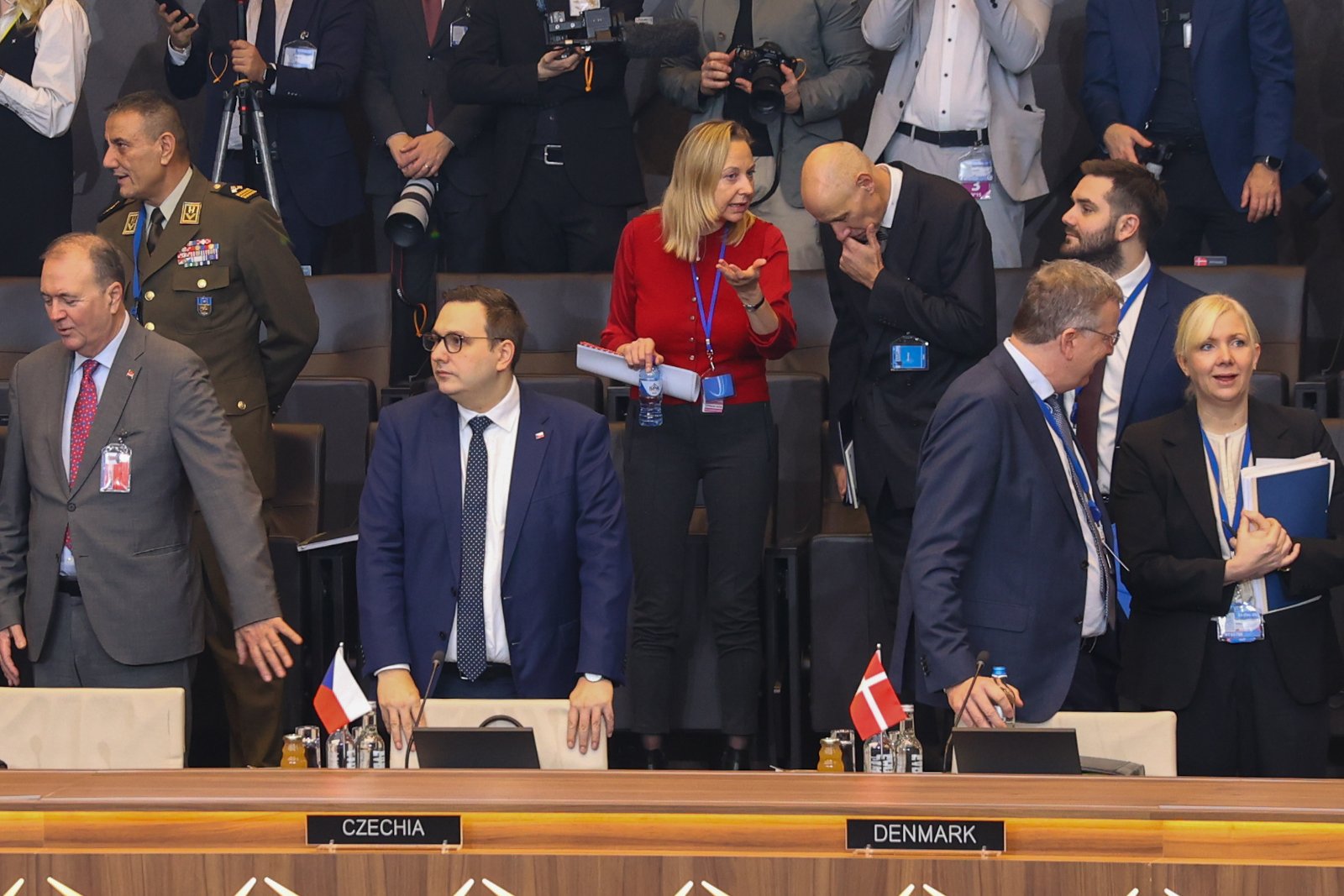
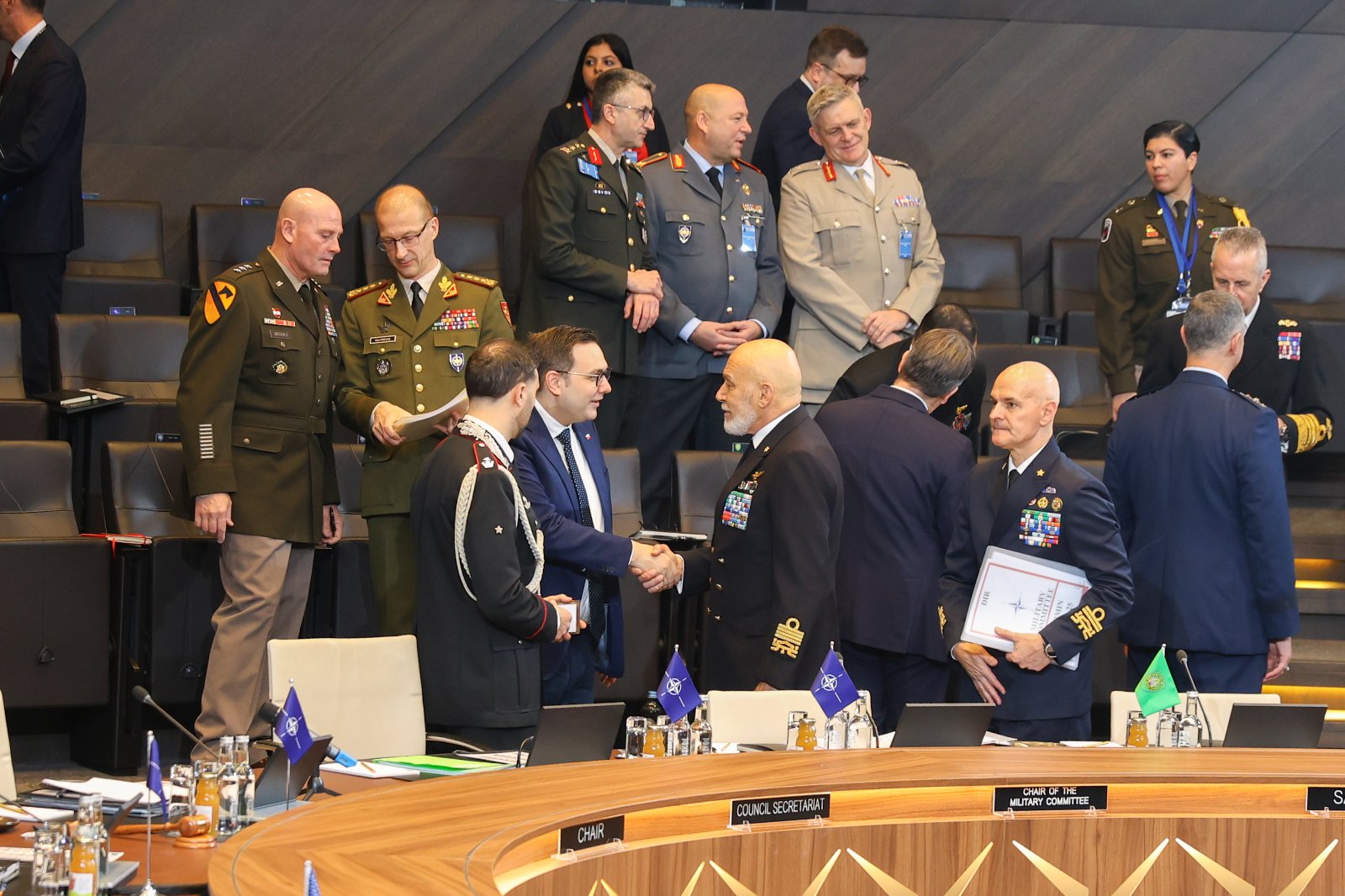
Minister of Foreign Affairs Jan Lipavský took part in the NATO Foreign Ministers’ meeting in Brussels on 3 December. The foreign ministers of the thirty-two Allied nations discussed further support for Ukraine and the strengthening of collective defence in the face of the growing threat posed by Russia and the increasing challenge represented by China. The programme also included a session of the NATO–Ukraine Council.
The Allied ministers agreed that support for Ukraine must continue — politically, militarily and financially. According to the Czech minister, the Czech ammunition initiative plays a significant and irreplaceable role in this effort. “I stressed to my ministerial colleagues that it is important for additional countries to join the ammunition initiative, as it provides a crucial source of ammunition for Ukraine. This year alone, almost 1.6 million rounds of large-calibre ammunition have been delivered to Ukraine,” said the Czech foreign minister. By the end of the year, this figure is expected to reach 1.8 million. Czechia is thus among the largest suppliers of large-calibre ammunition to Ukraine.
In addition to discussions on long-term support for Ukraine, the December NATO ministerial also focused on the current debate regarding a possible peace agreement. These issues were addressed as well during the meeting of the NATO–Ukraine Council.
“It is essential that Europe maintains close communication with the United States and that it is clearly understood that matters concerning NATO and the EU will — and must — be addressed together with Europeans,” Minister Lipavský said. In his view, Europe is not in a weak position: it is providing substantial political, economic and military resources to support Ukraine. “We remain in dialogue with the Americans and safeguard our interests.”
According to the Czech minister, any agreement must ensure that Ukraine remains capable of defending itself and receives security guarantees strong enough to prevent Russia from ever attacking again. He also emphasised the importance of preserving NATO’s open-door policy. “It remains true that the strongest security guarantee for Ukraine — alongside a well-equipped Ukrainian army — is its future membership in NATO.”
In the section devoted to the security threat posed by Russia, the ministers underlined that Russia represents a long-term challenge that will not disappear even in the event of a peace agreement. The discussion also covered progress in strengthening collective defence. “Investment in defence is an insurance policy for our security and a deterrent to Russia. We currently spend 2% of GDP on defence and plan to increase our defence expenditure to 3% by 2030,” Minister Lipavský stated.
He further noted that Russia’s current behaviour does not indicate any genuine interest in change or in peace. “Russia is merely playing for time. If it wanted to negotiate peace, it would stop military operations, halt the bombardment and end the killing of civilians.”
Addressing the point concerning China, Minister Lipavský noted that China represents a growing challenge to Euro-Atlantic security. “China’s support for Russia’s war machine is a deliberate choice — and by making it, China is placing itself on the side of the aggressor,” he added.